Skip to content Skip to sidebar Skip to footer

Eli Lilly’s Weight-Loss Empire Just Got Heavier with $2.4B Acquisition – And So Did Its Market Cap -( $LLY $NVO $SPY )

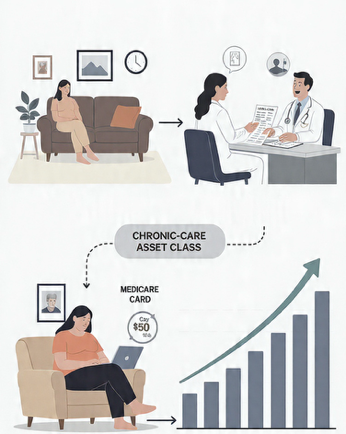
Eli Lilly (LLY) has once again muscled its way to the top of the healthcare league tables, with its stock climbing as investors double down on the idea that obesity drugs are less a fad and more a new asset class. The company recently reaffirmed its status as the world’s most valuable healthcare name, having already crossed the once unthinkable threshold of a 1 trillion dollar market value, a milestone previously reserved for tech’s usual suspects.

Behind the rally is a simple story with complex economics: Lilly sells weight‑loss and diabetes drugs, and the world has a lot of both appetite and demand.

GLP‑1s: From Niche Therapy to Macro Theme

Lilly’s GLP‑1 franchise, led by its twin stars Mounjaro for diabetes and Zepbound for obesity, has turned a once specialized class of drugs into a macro driver for indices, ETFs, and dinner‑party conversations. In the latest quarter, revenue jumped more than 40 percent year over year to roughly 19 billion dollars, as sales of these injectables more than doubled, handily outpacing already lofty expectations.

Lilly’s share of the GLP‑1 market has swelled to around 60 percent, a level of dominance that would make even a cloud‑software CEO blush. Analysts argue that obesity drugs are fast becoming the pharmaceutical equivalent of smartphone platforms: once patients are on, they tend to stay, and the ecosystem does the rest.

Novo Slips, Lilly Sprints

Of course, every bull story needs a foil, and Novo Nordisk (NVS) has been cast in the role of talented rival suddenly finding the track a bit slippery. Novo has warned of “unprecedented” pricing pressure and near‑term sales headwinds, even as it pushes into oral GLP‑1 territory, giving investors a reason to reassess who really owns the obesity runway.

Lilly, for its part, has responded with the market’s favorite combination: better numbers today and bigger promises tomorrow. Management is guiding 2026 profits above Wall Street estimates, backed by robust demand and a forthcoming oral weight‑loss pill that aims to meet patients where they are—namely, as far away from needles as possible.

Trillion‑Dollar Club, Healthcare Edition

When Lilly entered the trillion‑dollar market‑cap club, it did more than change its ticker tape optics—it rewrote the sector’s pecking order. For decades, diversified giants like Johnson & Johnson defined “big pharma,” yet Lilly now sits several hundred billion dollars ahead of many peers, more reminiscent of a platform tech stock than a staid drugmaker.

That re‑rating has been powered by the idea that obesity treatment is not just another product cycle but a multi‑decade secular growth story, spanning telehealth, cash‑pay channels, and a growing range of metabolic indications. In Wall Street shorthand, Lilly has gone from “quality pharma” to “core growth holding,” a subtle label change that tends to come with less subtle price targets.

Earnings Beat, Targets Rise

The latest earnings season offered a reminder that the narrative still rests on fundamentals, not just waistlines and wishful thinking. Fourth‑quarter earnings per share landed well ahead of consensus, with revenue exceeding forecasts by well over 1 billion dollars as GLP‑1 demand outpaced already aggressive models.

Analysts have been quick to sharpen their pencils: Goldman Sachs recently raised its price target on Lilly to about 1,260 dollars and reiterated a buy rating, citing mid‑20‑percent growth expectations and confidence in the durability of the obesity franchise. Other research shops highlight Lilly’s expanding pipeline in areas such as radioligand cancer therapies and neurodegenerative disease, arguing that the story may be broader than the bathroom scale suggests.

Beyond the Scale: M&A and Pipeline

Flush with cash and market currency, Lilly has been shopping. The company recently agreed to acquire Orna Therapeutics for up to 2.4 billion dollars, adding circular RNA and in vivo CAR‑T ambitions to a pipeline that already includes oncology, neuroscience, and next‑generation metabolic programs.

This is not entirely new territory for Lilly, which has a long history of franchise‑defining drugs ranging from Prozac to its newer Alzheimer’s and oncology therapies. But investors now view bolt‑on deals through a different lens: every acquired technology is a potential lever to extend Lilly’s growth profile long after the first wave of weight‑loss enthusiasm moderates. Sophisticated bulls argue that Lilly is quietly building a diversified innovation stack while headlines stay fixated on GLP‑1s.

The Valuation Diet That Never Started

If there is a punchline in the Lilly story, it is that the usual valuation diet never really kicked in. Shares have climbed roughly 40 percent in 2025 alone and over 200 percent in the past three years, numbers more commonly associated with high‑growth software than century‑old drugmakers.

Skeptics warn that competition, pricing pushback, and regulatory scrutiny could eventually demand a rerating, especially as rivals introduce oral options and payers push for discounts. Yet for now, the market seems content to pay a premium for a company that keeps beating expectations, raising guidance, and reminding investors that, in healthcare, scale and science can be a powerful combination.

As one could put it in suitably Wall Street fashion: the multiple may be rich, but so are the catalysts.


Sources

  1. Eli Lilly Soared by 39% in 2025, but Here’s Another Healthcare … – Yahoo Finance. https://finance.yahoo.com/news/eli-lilly-soared-39-2025-103000601.html[7]
  2. Eli Lilly Soared by 39% in 2025, but Here’s Another Healthcare … – Yahoo Finance (alt version). https://finance.yahoo.com/news/eli-lilly-soared-39-2025-164000353.html[13]
  3. Eli Lilly sees 2026 profit above estimates as demand for weight‑loss … – Yahoo Finance. https://finance.yahoo.com/news/eli-lilly-sees-2026-profit-115421218.html[4]
  4. Why Eli Lilly Stock Soared Today – Yahoo Finance. https://finance.yahoo.com/news/why-eli-lilly-stock-soared-033834668.html[6]
  5. Eli Lilly Shares Boosted by GLP‑1s – Real Investment Advice. https://realinvestmentadvice.com/resources/blog/eli-lilly-shares-boosted-by-glp-1s/[5]
  6. Lilly becomes first drugmaker to hit 1 trillion dollar valuation – Reuters. https://www.reuters.com/business/healthcare-pharmaceuticals/lilly-becomes-first-drugmaker-join-trillion-dollar-club-weight-loss-…[3]
  7. Lilly sees strong growth in 2026 as weight‑loss drug rival Novo slips – Reuters. https://www.reuters.com/business/healthcare-pharmaceuticals/eli-lilly-sees-2026-profit-above-estimates-weightloss-drug-demand-20…[1]
  8. Eli Lilly Reaches 1 Trillion in Value, Buoyed by Demand … – The New York Times. https://www.nytimes.com/2025/11/21/health/eli-lilly-one-trillion-value-pharmaceuticals.html[2]
  9. Eli Lilly Becomes First Trillion‑Dollar Health Company – Hematology Advisor. https://www.hematologyadvisor.com/news/eli-lilly-becomes-first-trillion-dollar-health-company/[10]
  10. Goldman Sachs Reaffirms Buy on Eli Lilly and Company (LLY) – Yahoo Finance. https://finance.yahoo.com/news/goldman-sachs-reaffirms-buy-eli-133349115.html[9]
  11. Eli Lilly Proves Its GLP‑1 Dominance Again, Raising My Price Target – Seeking Alpha. https://seekingalpha.com/article/4865713-eli-lilly-proves-its-glp-1-dominance-again-raising-my-price-target[11]
  12. Eli Lilly to buy Orna Therapeutics for 2.4 billion dollars – STAT News. https://www.statnews.com/2026/02/09/eli-lilly-buys-orna-therapeutics-in-vivo-car-t/[14]
  13. Eli Lilly and Company (LLY) is Attracting Investor Attention – Zacks. https://www.zacks.com/stock/news/2841042/eli-lilly-and-company-lly-is-attracting-investor-attention-here-is-what-you-should-know[12]
  14. Eli Lilly Booms, Then Busts: Stellar Guidance vs Hims Undercut – The Globe and Mail (Investing/Markets). https://www.theglobeandmail.com/investing/markets/stocks/LLY/pressreleases/92166/eli-lilly-booms-then-busts-stellar-guidance-vs-hims-undercut/[8]
  15. Missed Out on Eli Lilly? 2 Healthcare Stocks With Big Catalysts … – AOL Finance. https://www.aol.com/finance/missed-eli-lilly-2-healthcare-025000149.html[15]

Dow Breaks 50,000 as Wall Street Limps, Then Leaps Into the Weekend – February 6, 2026 -( $DIA $EPRX $FLYX $LLY $MCD $MANE $MODD $NOK $RIO Rise!)

Wall Street closed the week ending Feb. 6, 2026 looking a bit like a trader after a rough options expiry: bruised, but suddenly energetic once the bell rang on Friday. The Dow finally cracked the 50,000 mark in a more-than-1,000‑point sprint, while the S&P 500 and Nasdaq staged a sharp rebound that still wasn’t quite enough to erase earlier damage, leaving the week as a lesson in how quickly the love affair with megacap tech can turn conditional.

S&P 500, Dow, Nasdaq, Russell

The S&P 500 rallied roughly 2% on Friday and clawed back into positive territory for the year, but was still down just under 1% for the week as earlier tech weakness lingered. The Dow, powered by cyclicals and old‑economy stalwarts, finished the week up close to 2% and in record territory above 50,000, an optics‑heavy level that will no doubt be framed on more than a few brokerage desktop screens. The Nasdaq Composite bounced about 2% on Friday after a midweek tech rout, yet remained lower for the week and for 2026, as investors briefly remembered that even artificial intelligence can get overbought. The small‑cap Russell 2000, meanwhile, quietly clocked another strong performance, rising more than 2% early Friday and tallying a solid gain for the week as investors rotated into domestically focused names.

Macroeconomic Data, Shutdown and Fed

On the macro front, the story was defined as much by what investors did not get as what they did. The ongoing partial U.S. government shutdown has delayed the January jobs report, knocking out the marquee data point of the week and forcing traders to fly without their usual Non‑Farm Payrolls altimeter. The Labor Department formally pushed back the employment report due to the shutdown, adding a fresh wrinkle to the “data‑dependent” mantra that Fed officials have been reciting since the last FOMC meeting. Other scheduled indicators—including routine labor and activity releases—are now being viewed through the prism of the data blackout, leaving markets to lean more heavily on private‑sector surveys and corporate earnings guidance for near‑term growth signals.

Yield Curve, Rates and FOMC Watch

Rates markets delivered a more subdued, if still telling, narrative. The 2‑year Treasury yield, the Fed‑watcher’s favorite, drifted down toward roughly 3.5% over the week, extending a gentle move lower from late January and suggesting expectations for at least modest policy easing later this year remain intact. At the longer end, yields around the 10‑ and 30‑year maturities continued to trade above 4%, leaving the curve still relatively flat to modestly inverted, but far less alarmingly so than in the depths of the tightening cycle. The result is a yield structure that hints at slower but not collapsing growth—an environment in which equity investors can continue to debate valuations rather than recession probabilities, at least for now.

Tariff headlines stayed in the background but not out of mind, with markets still sensitive to any fresh rhetoric around trade levies on key sectors such as autos, technology and clean energy equipment. While there were no blockbuster new tariff packages unveiled this week, references to “tariff risks” continued to dot market commentary and options flows, especially around tech and industrial names that have the misfortune of being both global and profitable. For now, tariffs remain a macro overhang rather than a live‑wire catalyst, but traders are acutely aware that a single headline can redraw supply chains and earnings estimates more quickly than any PowerPoint deck.

Macro policy watchers, meanwhile, spent the week reading between the lines of the latest Treasury and Fed communications. The Treasury Borrowing Advisory Committee’s February statement acknowledged that the shutdown has distorted key data releases, complicating the Fed’s timing calculus as it considers when to deliver its next move after the January FOMC meeting. With no new rate decision on the calendar this week, investors are now looking ahead to upcoming meetings for clarity on when the first cut might arrive, even as Fed officials continue to stress that both inflation and employment appear to have “stabilized” near acceptable levels. In practice, that has left rate‑cut odds fluctuating more on market sentiment and partial data than on the usual full economic dashboard.

Eli Lilly Steals the Show

Against that backdrop, Eli Lilly stole a sizeable portion of the week’s limelight, reminding investors that in 2026, weight‑loss drugs sometimes are the market. Shares of LLY surged roughly 7–10% over the week after the company delivered a powerful fourth‑quarter beat and issued eye‑popping 2026 guidance, forecasting revenue north of $80 billion and earnings of roughly $33.50 to $35 per share—comfortably ahead of Wall Street’s prior estimates. The engine, unsurprisingly, was its obesity and diabetes franchise: Mounjaro and Zepbound drove a 43% jump in quarterly revenue and more than 50% growth in earnings, reinforcing the idea that Lilly is becoming as much a macro factor as a single stock in health‑care indices.

AI Chips, Big Tech and Hardware

In tech and semiconductors, sentiment was volatile enough to make even veteran chip traders reach for the dramamine. Nvidia (jumped 7.92% Friday to close at $185.41), Taiwan Semiconductor, Apple, Micron, Broadcom and Intel found themselves at the center of this week’s AI rethink, with options activity in names like NVDA, TSLA, PLTR, AAPL, INTC, MU, ORCL and AVGO spiking as traders recalibrated how much AI euphoria they could justify on a single income statement. While individual weekly percentage moves varied by ticker, the group as a whole weathered a midweek selloff before participating in Friday’s relief rally, a pattern that left valuations slightly less stretched but hardly distressed. For Nvidia and TSMC, the narrative remains one of extraordinary demand tempered by equally extraordinary expectations, while Micron and Intel continue to benefit from the idea that not every AI beneficiary needs a four‑digit share price to matter.

Apple spent the week in familiar territory—under scrutiny but still central—appearing on lists of heavily traded names as investors weighed the durability of its ecosystem against a more crowded AI and devices landscape. Options and after‑hours activity suggested traders remain willing to trade both sides of the Apple story, using any pullback as a chance either to reload long positions or to hedge broader tech exposure. Corning, a less heralded but still important piece of the hardware chain, continued to ride the “picks and shovels” thesis around displays and fiber, with sentiment tied more to medium‑term infrastructure and device builds than to any single headline.

Tesla, Meta, Palantir and the High‑Beta Franchise

Tesla delivered its usual share of drama, featuring prominently among the most actively traded options as investors continued to debate whether the company is a carmaker, a software platform or simply a volatility engine masquerading as an automaker. The stock lurched with broader tech through the week but joined Friday’s rebound, as traders leaned into the idea that the EV transition may be uneven yet far from over. For Tesla bulls, the week’s message was that the market will still reward growth stories—just not at any price—while bears were reminded that betting against a cult stock often requires more patience than capital.

Among the platform and infrastructure names, Meta and Palantir both found themselves back on traders’ radar as AI‑related narratives re‑priced. Meta’s positioning around AI‑enhanced advertising and mixed‑reality platforms helped support interest despite the tech wobble, with Friday’s broader rally lifting the stock along with its megacap peers. Palantir, which featured heavily in options flow, continued to trade as a high‑beta proxy on government and enterprise AI demand, with investors treating any weakness as an opportunity to reassess whether its premium multiple remains justified in a world where every software company suddenly speaks fluent “AI.”

Old‑Guard Blue Chips: McDonald’s, Oracle, Nokia, Rio

The legacy heavyweights had their own moments. McDonald’s (MCD, $327.16, +3.86% over the last 5-days) appeared among the notable analyst calls this week, underscoring how even fast food can become a macro bellwether when investors are parsing consumer‑spending resilience. Oracle, which surfaced in options activity, continued to ride its transition narrative from legacy databases to cloud infrastructure and AI‑ready platforms, making it a favored vehicle for investors who prefer their growth stories with dividends. Nokia (NOK, $7.07, +9.95% over the last 5-days) while far from the meme‑stock spotlight, stayed tethered to the 5G and network‑infrastructure cycle, with sentiment tied more to capex trends than to daily headlines.

In the broader industrial and materials complex, Rio Tinto (RIO, $93.45, +2.61% over the last 5-days) remained a quiet beneficiary of the “soft‑landing” and infrastructure narrative, as commodity investors used the week’s volatility to reassess exposure to miners leveraged to both Chinese demand and Western reshoring. The stock’s performance reflected a balancing act between worries over global growth and optimism that metals tied to electrification and construction remain in structurally tight supply. For Rio Tinto, the week’s tape suggested that as long as the world keeps building and wiring, miners will continue to matter even when tech monopolizes the headlines.

OKLO, Opendoor and Other New‑School Stories

The week also featured some of Wall Street’s favorite newer tickers. OKLO ($71.10), the advanced nuclear player, remained part of the broader clean‑energy conversation as investors looked for scalable solutions that could support energy‑hungry data centers without inviting a climate backlash, but finished 10.70% lower over the last 5-days despite a double digit jump on Friday. Opendoor navigated the week in the context of a housing market that remains interest‑rate sensitive but surprisingly resilient, with investors watching transaction volumes and spreads as closely as the share price itself. For both names, the message was that public markets will still fund ambitious business models—provided the path to profitability is more than a slide in an investor deck.

IPOs, Deals and Capital Markets

In deal land, the IPO market showed more signs of life than it has in years, even if 2026 is shaping up as a “steady simmer” rather than a full‑on boil. As of Feb. 6, there have been 41 U.S. IPOs this year, about 21% more than at the same point in 2025, with a mix of traditional operating companies and the ever‑present crop of SPACs. This week alone saw offerings such as Bob’s Discount Furniture, Eikon Therapeutics, Forgent Power Solutions and a handful of acquisition vehicles come to market, while recent debut Veradermics (ticker MANE) continued to trade sharply above its offer price. With issuance running ahead of last year and more large‑cap names rumored in the pipeline, equity capital markets desks are finally acting as if the long post‑pandemic hangover may be easing.

Gold, Silver, Oil and Bitcoin

On the commodities and crypto front, the tape provided plenty of material for both inflation hawks and diversification enthusiasts. Gold rose over 7% after pulling back and silver spent the week in a choppy range bit managed to rise slightly after the recent significant pullback, with safe‑haven demand partially offset by firmer real yields and a renewed appetite for risk assets as equities bounced late in the week. Oil prices held in a relatively tight band but still traded up over 2% over the last 5-days to close at $63.47/bbl supported by ongoing geopolitical concerns and disciplined supply, but constrained by worries that slower global growth could sap demand. Bitcoin, on the other hand, put on its best imitation of a biotech stock, surging roughly 10% on Friday alone and trading near the psychologically important 70,000 level as risk appetite returned and speculative capital remembered why it opened those crypto wallets in the first place.

Vista Partners Watchlist Updates

Modular Medical, Inc. (Nasdaq: MODD., $.4369), is a leader in innovative insulin delivery technology targeting the $3 billion adult “almost-pumpers” diabetes market with user-friendly, affordable patch pumps

On Feb. 4, Modular Medical, Inc. announced the start of production of validation lots for its Pivot™ tubeless patch pump’s disposable cartridge and infusion set. Achievement of this critical manufacturing milestone keeps the Company on schedule for commercial launch in Q1 2026, subject to receipt of FDA 510(k) clearance. The Pivot system – the industry’s first removable, tubeless 3ml patch pump – is designed for simplicity and affordability, addressing barriers that prevent many patients from adopting traditional pumps.

On Nov. 17, Modular announced Institutional Review Board (“IRB”) approval to conduct an in-house study of its next-generation Pivot™ insulin delivery system using insulin on people with diabetes (the “Study”). Pursuant to U.S. Food and Drug Administration (“FDA”) regulations, an IRB is a group that has been formally designated to review and monitor biomedical research involving human subjects. The Study will simulate real-world conditions by delivering insulin to adult participants to gather critical data on device function and usability and obtain user feedback. Modular Medical’s Pivot tubeless patch pump aims to enhance accessibility for underserved patients with diabetes and drive market penetration and expansion.

On Nov. 14, Modular Medical announced the 510(k) premarket submission of its next generation Pivot™ tubeless patch pump to the U.S. Food and Drug Administration (the “FDA”). The Company expects to commence the commercial launch of its Pivot pump in Q1 2026.

Eupraxia Pharmaceuticals Inc. (NASDAQ: EPRX, $8.35, +.85% over the last 5-days), a clinical-stage biotechnology company leveraging its proprietary Diffusphere™ technology to optimize local, controlled drug delivery for diseases with significant unmet need, announced (Nov. 13) the second set of 52-week follow up data from its ongoing Phase 1b/2a RESOLVE trial evaluating a single administration EP-104GI for the treatment of eosinophilic esophagitis (“EoE”). James A. Helliwell, Chief Executive Officer of Eupraxia stated,“These data further highlight the strong durability and tolerability profile of EP-104GI, reinforcing its potential to become a convenient, once-a-year treatment that fits seamlessly into routine disease management by aligning with annual patient endoscopies. The Cohorts 5 & 6 patients – the only groups to have reached 52 weeks in the trial – are demonstrating levels of symptom relief that is durable and clinically meaningful – we are very encouraged by this outcome. We’re also pleased that our previously announced 52-week data were presented as a late-breaking presentation at the American College of Gastroenterology Annual Scientific Meeting (ACG). These new results build on that momentum. Given that current EoE therapies often struggle with long-term adherence, we believe a durable, once-yearly treatment could meaningfully improve patient outcomes and establish EP-104GI as a preferred option for both physicians and their patients.”

GeoVax Labs, Inc. (Nasdaq: GOVX, $2.67) is a clinical-stage biotechnology company developing multi-antigen vaccines and immunotherapies for infectious diseases and cancer.

On Jan. 20, GeoVax announced an update with the following key milestones for 2026 for Geo-MVA:

  • Initiation of the pivotal Phase 3 immunobridging trial, expected in the second half of 2026
  • Continued engagement with European and global health authorities seeking to diversify Mpox and smallpox vaccine supply in light of ongoing global demand pressures
  • Advancement toward a U.S.-sourced vaccine supply model addressing both civilian public health needs and biodefense preparedness

Volato Group, Inc. (NYSE American: SOAR, $.4972) and M2i Global, Inc. (MTWO, $.0449) is a company specializing in the development and execution of a complete global value supply chain for critical minerals.

On Feb. 4, M2i Global Inc and Volato Group announced that Titanium X has initiated its first shipment of titanium ore from Western Australia to the United States, marking an early step in their collaboration focused on developing critical mineral supply chains. The initial shipment consists of titanium ore samples sourced from both mineral sands and hard rock deposits. According to the companies, the material will be distributed to selected academic institutions and a defense industrial base company for analysis, including assessments of refining processes needed to produce titanium products for various applications.

On Tuesday, Jan. 20, M2i and Volato reaffirmed expectation to complete their targeted first-quarter 2026 closing timeline for the previously announced business combination, citing steady advancement through the SEC review process alongside continued progress in operational planning and integration readiness. Subject to the effectiveness of the registration statement on Form S-4, stockholder approvals, and other customary closing conditions, the companies continue to expect the merger to close in the first quarter of 2026. To align the transaction timeline with the current stage of the SEC review process, the companies have mutually agreed to extend the end date of the merger agreement through March 31, 2026. This extension reflects disciplined execution and provides additional runway to complete the remaining regulatory steps in an orderly manner, while maintaining transaction commitment and protecting stockholder interests. Amendment No. 1 to the Form S-4 was filed on Monday, January 12, 2026, to respond to SEC comments and advance the registration statement through the review process. The review timeline was affected in part by a temporary slowdown in SEC operations following the recent federal government shutdown. With the amendment now on file, the companies are focused on completing the remaining steps of the SEC review process.

On Jan. 9, M2i Global and Volato Group announced that they have entered into a strategic collaboration agreement with Australian company Titanium X to advance critical mineral development in the US. This partnership represents a significant move towards enhancing domestic refining capacity and strengthening the critical materials supply chain that underpins US industry and national security. Titanium X and M2i Global will work together on the financing, development and commercialisation of the former’s critical mineral assets. M2i Global will apply its global experience in delivering mineral projects to support these initiatives. The companies are also in talks to conclude an exclusive titanium concentrate supply agreement.

Volato Group, Inc. today (Dec. 29) announced the appointment of Alan D. Gaines to its Board of Directors, effective immediately. Mr. Gaines will also serve as Chairman of the Audit Committee.

Serina Therapeutics (NYSE American: SER, $2.37), Alabama-based biotech is betting its proprietary POZ platform and reimagined approach to apomorphine delivery may redefine the treatment paradigm for patients who have exhausted standard oral therapies.

On Feb. 4, Serina’s CEO, Steven Ledger presented at Tribe Public’s Webinar Presentation and Q&A Event titled “Navigating the New FDA Era: 2026 Strategic Priorities and the Future of Life Sciences”. Please view the event video now to learn more at this link.

On Jan. 29, The U.S. Food and Drug Administration cleared Serina Therapeutics’ investigational new drug (IND) application for SER‑252, the company’s POZ‑enabled formulation of apomorphine being developed for patients with advanced Parkinson’s disease. This clearance allows Serina to move ahead with a registrational‑intent clinical program under the 505(b)(2) NDA pathway, leveraging existing data on apomorphine while aiming to improve its dosing profile and tolerability for patients who need more consistent symptom control. In practical terms, the FDA’s feedback and subsequent clearance provide Serina with a more capital‑efficient route to a potential new drug application, shortening the distance between preclinical promise and commercial reality. For Parkinson’s patients and their clinicians, the stakes are high: SER‑252 is designed to offer a more predictable therapeutic profile, potentially smoothing out some of the daily volatility, patient caregiver burden that has long defined advanced disease management.

On Dec. 11, Serina announced the appointment of Joshua Thomas, Ph.D., as Vice President and Head of Chemistry. He will oversee internal and external chemistry efforts to optimize POZ-based candidates, supporting efficient translation from discovery through development.

The InterGroup Corporation (NASDAQ: INTG, $30.35) announced (Jan. 6) that on December 29, 2025, it completed the sale of a non-core 12-unit apartment complex in Los Angeles County for a gross sales price of approximately $4,850,000. InterGroup expects to report a GAAP net gain on sale of approximately $3,509,000, which will be reflected in the Company’s Form 10‑Q for the quarter ended December 31, 2025. The transaction is expected to result in federal and state income tax liability, the amount of which will be determined based on the Company’s final tax position and applicable tax rules.

DoubleVerify Holdings Inc. (DV) closed at $9.35. DoubleVerify, which built its franchise on media verification and ad performance analytics, is now the first badged TikTok Marketing Partner focused specifically on attention measurement, tapping impression-level signals from the platform. Brands gain a granular view of how exposure and user interaction come together across TikTok formats, ad sets, creatives, and objectives, effectively treating every swipe as a tiny A/B test.

flyExclusive, Inc. (NYSE American: FLYX, $3.03, +2.36% over the last 5-days after Friday’s +30% jump), one of the nation’s largest private jet operators and a certified Part 145 Repair Station, today announced it has signed an authorized dealership agreement with Starlink, becoming a certified dealer and installer for Starlink’s high-speed, low-latency aviation connectivity system.

The Sources

Sources
[1] Stock Market Today: Dow Hits 50,000 For First Time — Live Updates https://www.wsj.com/livecoverage/stock-market-today-dow-sp-500-nasdaq-02-06-2026
[2] S&P 500, Nasdaq rally but remain on course for a losing week https://www.marketwatch.com/livecoverage/stock-market-today-dow-s-p-500-and-nasdaq-set-to-extend-losses-on-amazon-s-aggressive-spending-plans
[3] Stocks rebound on Friday, but this week’s tech rout echoes lessons … https://www.morningstar.com/news/marketwatch/2026020667/stocks-rebound-on-friday-but-this-weeks-tech-rout-echoes-lessons-from-the-dot-com-bubble
[4] Stocks Surge As Dow Jones Hits 50,000 For The First Time Ever https://955thebull.iheart.com/content/2026-02-06-stocks-surge-as-dow-jones-hits-50000-for-the-first-time-ever/
[5] Stock market news for Feb. 6, 2026 – CNBC https://www.cnbc.com/2026/02/05/stock-market-today-live-updates.html
[6] Stock Market Today, Feb. 6: Dow hits 50,000 for the first time ever as … https://www.thestreet.com/latest-news/stock-market-today-feb-6-u-s-stocks-set-to-open-lower-for-fourth-consecutive-day
[7] Jobs report this week will be delayed by government shutdown … https://www.cbsnews.com/news/jobs-report-delay-january-2026-bls-government-shutdown/
[8] Economy Statement for the Treasury Borrowing Advisory Committee https://home.treasury.gov/news/press-releases/sb0376
[9] Economic Calendar: US Data Distorted by Government Shutdown https://www.xtb.com/int/market-analysis/news-and-research/economic-calendar-us-data-distorted-by-government-shutdown
[10] 2 Year Treasury Rate – Real-Time & Historical Yield Trends – YCharts https://ycharts.com/indicators/2_year_treasury_rate
[11] US Treasury Yield Curve (updated daily) – GuruFocus https://www.gurufocus.com/yield_curve.php
[12] Daily Treasury Rates | U.S. Department of the Treasury – Treasury.gov https://home.treasury.gov/resource-center/data-chart-center/interest-rates/TextView?type=daily_treasury_bill_rates&field_tdr_date_value=2026
[13] I:SPX Feb 2026 Weekly 6500.000 (SPXW260206P06500000) https://finance.yahoo.com/quote/SPXW260206P06500000/history/
[14] Weekly Economic Update: February 3rd 2025 https://nicholaswealth.com/resources/weekly-economic-update-february-3rd-2025
[15] Lilly Stock Jumps After Q4 Earnings Beat and Strong 2026 Guidance https://finance.yahoo.com/news/lilly-stock-jumps-q4-earnings-152200388.html
[16] Eli Lilly sees 2026 profit above estimates as demand for weight‑loss … https://finance.yahoo.com/news/eli-lilly-sees-2026-profit-115421218.html
[17] LLY Stock Surges On Q4 Beat – Obesity, Diabetes Drugs Drive … https://stocktwits.com/news-articles/markets/equity/eli-lilly-lly-stock-jumps-fy26-guidance-zepbound-mounjaro/cZbSCjgR4Zl
[18] Eli Lilly Stock Spikes 10% as Strong Zepbound Demand Drives … https://www.tikr.com/blog/eli-lilly-nyse-lly-stock-spikes-strong-zepbound-demand-robust-2026-sales-forecast
[19] Lilly sees strong growth in 2026 as weight-loss drug rival Novo slips https://www.reuters.com/business/healthcare-pharmaceuticals/eli-lilly-sees-2026-profit-above-estimates-weightloss-drug-demand-2026-02-04/
[20] Eli Lilly surges 7% after earnings driven by obesity drugs | XTB https://www.xtb.com/int/market-analysis/news-and-research/eli-lilly-surges-7-after-earnings-driven-by-obesity-drugs
[21] #HotOptions Report For Mid Day, February 3, 2026 – NVDA, TSLA … https://theoptionsinsider.com/news/most-active-options/hotoptions-report-for-mid-day-february-3-2026-nvda-tsla-pltr-aapl-pypl-msft-amzn-intc-sofi-meta-nflx-amd-mu-orcl-gme-avgo-mstr-pfe-wulf-hood/
[22] My 3 Best Stocks to Buy In February – Yahoo Finance https://finance.yahoo.com/news/3-best-stocks-buy-february-122000887.html
[23] AMD, SMCI, AAPL, SLB, NVDA, INTC, CMG, AMDL, NIO, PFE, ABT, VZ https://www.nasdaq.com/articles/after-hours-most-active-feb-3-2026-amd-smci-aapl-slb-nvda-intc-cmg-amdl-nio-pfe-abt-vz
[24] Tuesday’s biggest stocks by analyst calls – CNBC https://www.cnbc.com/2026/02/03/tuesdays-biggest-stocks-by-analyst-calls.html
[25] All 2026 IPOs (so far) – Stock Analysis https://stockanalysis.com/ipos/2026/
[26] 8 Upcoming IPOs in 2026 | Investing | U.S. News https://money.usnews.com/investing/articles/new-and-upcoming-ipos-in-2026
[27] IPOScoop | IPO Data & News – Stay in the Loop with IPOScoop https://www.iposcoop.com

Can Modular Medical Crack the “Almost‑Pumper” Code? Inside the Bull Case for MODD’s Pivot System -( $MODD $PODD $TNDM )

Modular Medical’s (NASDAQ: MODD) Pivot insulin delivery system is quietly building a credible bull case that now extends beyond regulatory momentum and leadership credentials into hard operational execution. With the company achieving a key manufacturing milestone for its Pivot tubeless insulin patch pump, Modular moves closer to turning its role as a leader in innovative insulin delivery technology targeting the 3 billion dollar adult “almost‑pumpers” diabetes market into a tangible commercial reality.

The Pivot FDA Path: A Straightforward Route, Not a Science Project

Modular Medical has submitted its next‑generation Pivot tubeless insulin patch pump to the FDA under the 510(k) pathway, positioning the story as one of incremental regulatory risk rather than a speculative PMA‑style bet. The company continues to target a first‑quarter 2026 commercial launch, subject to FDA clearance, making the current phase a classic “regulatory overhang” period in which investors weigh review timing against a steadily de‑risked operating plan.

Clinical and real‑world data gathering is progressing in parallel. Modular previously secured Institutional Review Board approval to deliver insulin using the Pivot patch pump in a study designed to evaluate safety, dosing performance, and usability in adults living with diabetes, including pairing with continuous glucose monitoring. As the 510(k) review runs its course, these feasibility and IRB‑backed efforts help validate that Pivot can be integrated into the workflows of patients and clinicians who have long defaulted to multiple daily injections.

Manufacturing Milestone: From PowerPoint to Production

The newest leg of the bull case comes from the factory floor. Modular Medical has started production of validation lots for the Pivot system’s disposable cartridge and infusion set, a critical manufacturing milestone that confirms the company’s contract manufacturing and quality systems are gearing up for commercial‑scale demand. Management has indicated that this achievement keeps the company on schedule for a planned Q1 2026 commercial launch, assuming a favorable FDA decision on its existing 510(k) submission.

More importantly for a hardware‑heavy story, the validation lots derisk the transition from engineering builds to scaled production of a removable, tubeless 3 mL patch pump—exactly the point where many device start‑ups stumble. By locking in a scalable, low‑cost manufacturing platform around Pivot’s two‑part, removable cartridge design, Modular is not just preparing to ship devices; it is building the operating leverage required to serve a large segment of price‑sensitive adults who have historically viewed pumps as an expensive luxury.

Management and Founder: The “Been There, Built That” Factor

Modular’s leadership remains a central pillar of the investment narrative. Founder and chief technology officer Paul DiPerna previously founded Tandem Diabetes Care (NASDAQ: TNDM) and led development of its first insulin pump, helping lay the groundwork for a company that went on to become a publicly traded leader in modern pump therapy. His background in micro‑pumping, fluidics, and pump design, combined with earlier experience at Baxter and other device organizations, gives Modular an architect who has already navigated the regulatory and manufacturing hurdles now in sight for Pivot.

On the commercial side, the addition of former Insulet (NASDAQ: PODD) CEO Duane DeSisto to the board brings direct experience in turning a patch pump idea—Omnipod—into a multi‑billion‑dollar franchise. For investors, pairing DiPerna’s engineering track record with DeSisto’s commercialization résumé offers a compelling answer to the standard micro‑cap question: “Who here has actually done this before?”—a question Wall Street tends to ask right around the time validation lots start rolling off the line.

An IP and Product Platform Built Around Simplicity

Underpinning the Pivot system is a focused intellectual property portfolio centered on microfluidic pumping, low‑cost manufacturing, and a simplified user interface, first embodied in earlier MODD1 designs and refined into the current two‑part tubeless patch pump architecture. The Pivot device features a removable, tubeless 3 mL cartridge and pump unit engineered for straightforward operation, with the goal of providing pump‑level insulin delivery benefits without the cognitive and financial overhead associated with many traditional systems.

This design is purpose‑built for scalability. By standardizing around disposable cartridges and infusion sets that can be produced at volume on a cost‑competitive basis, the company’s patents help protect not just a single product, but an approach to delivering insulin that can be adapted across markets and payor environments. In an 8 billion dollar‑plus global insulin pump market increasingly crowded with feature‑rich ecosystems, Modular’s IP‑backed bet is that less complexity, delivered more affordably, can be just as disruptive.

The Bull Case: Cracking the “Almost‑Pumper” Code

At the heart of the story is a large, underserved population: adults with diabetes who rely on multiple daily injections and have never made the leap to pumps, often citing cost, complexity, or “device fatigue” as the culprit. Modular Medical is explicitly targeting these “almost‑pumpers” with a user‑friendly, affordable patch pump designed to feel like a modest upgrade in daily routine rather than a wholesale lifestyle overhaul, while still delivering the clinical advantages of more precise, programmable insulin delivery.

With FDA review underway, IRB‑approved studies in motion, and validation lots now in production, the narrative is shifting from “Can they build it?” to “How fast can they scale it if clearance comes through on schedule?” If the company can convert even a modest share of adults currently stuck on injections in an expanding multi‑billion‑dollar insulin pump market, Modular Medical’s Pivot system could evolve from a niche innovation into a mainstream workhorse—giving MODD shareholders precisely the kind of operational follow‑through that turns a good Wall Street story into a durable one….. Post that it would seem that the larger players in the insulin pump space may choose to come knocking for a buyout as they all likely understand how their more complicated and expensive devices are still not seeing any significant increase in usage in this large underserved patient population.

The Sources


  1. Modular Medical Submits Pivot Tubeless Insulin Patch Pump for FDA 510(k) Clearance – BioSpace / ACCESSWIRE.
  2. Modular Medical Can Start Insulin Patch Pump Feasibility Study – Drug Delivery Business News.
  3. Modular Medical Receives IRB Approval to Deliver Insulin Using Pivot Patch Pump – BioSpace / ACCESSWIRE.
  4. Modular Medical Receives IRB Approval for Next‑Gen Insulin Pump Study Targeting “Almost‑Pumpers” – Investing.com.
  5. Modular Medical Submits Next‑Gen Insulin Pump to FDA – Drug Delivery Business News / MassDevice.
  6. Modular Medical Announces Diabetes Industry Veteran Duane DeSisto Will Join the Board of Directors – BioSpace / ACCESSWIRE.
  7. Modular Medical Corporate and Founder Background – Modular Medical “About” page and SEC filings.
  8. Pivot Pump Platform and Market Overview – Precedence Research and related coverage.
  9. Modular Medical Achieves Key Manufacturing Milestone for Pivot Tubeless Insulin Patch Pump – Yahoo Finance / ACCESSWIRE.
  10. Modular Medical Starts Production of Validation Lots for Pivot Pump Components and related manufacturing coverage.

Rotating, Not Crashing: What This 2026 Market Shake‑Up Signals for Investors -( $SPY $QQQ $DIA $VIX )

Investors currently navigating choppy markets may feel like they accidentally signed up for the roller coaster instead of the scenic tour, but the underlying track still appears pointed in the right direction.

Volatility Takes Center Stage

In early February, major U.S. indexes have lurched lower as weaker labor data, AI‑related jitters, and surging volatility knocked investor confidence. The VIX has popped back above the 20–22 zone, a level historically associated with heightened anxiety and sharper daily swings.

February has a reputation for being a noisier month anyway, with volatility tending to rise on average, and 2026 is so far living up to that billing. Yet even amid sharp intraday moves, the Dow and S&P 500 remain within striking distance of recent highs, a reminder that turbulence and trend can coexist.

Under the Hood: Rotation, Not Ruin

Beneath the headline swings, the market’s leadership board is undergoing a quiet reshuffle rather than a full‑scale retreat. Value shares have begun to outpace last year’s mega‑cap tech darlings, suggesting the rally is broadening beyond a handful of giants. Technical analysts also note that the S&P 500’s uptrend remains intact even as cycle models flag a growing probability of corrective squalls in the months ahead.

In other words, this looks less like the end of the party and more like the DJ changing the playlist while a few over‑levered dancers sprint for the exits. For diversified shareholders, that rotation can open up entry points in sectors that had been left loitering by the punch bowl.

Why Long‑Term Investors Aren’t Panicking

History continues to favor investors who treat volatility as background noise rather than breaking news. Studies of rolling periods show that the vast majority of five‑ and ten‑year stretches for equities have delivered positive returns, even when the journey included multiple corrections and a crash or two.

Advisors from Ameriprise, Vanguard, and others repeat a similar refrain: time in the market, diversification, and a portfolio matched to one’s risk tolerance matter far more than guessing the next 200‑point swing in the Dow. Panic selling, by contrast, has a well‑documented habit of turning temporary drawdowns into permanent damage.

A Shareholder Playbook for a Noisy Tape

For individual shareholders, the current backdrop calls for a sharpened playbook rather than a wholesale rewrite. Practical steps include revisiting allocations, confirming that position sizes still match one’s sleep‑at‑night threshold, and using pullbacks to edge into high‑conviction names instead of chasing yesterday’s winners.

Maintaining a watchlist, keeping some dry powder, and pre‑deciding what you’d buy on a meaningful dip can transform volatility from a source of stress into a source of optionality. As one wealth manager quipped, more money has been lost preparing for corrections than in the corrections themselves—a line the market seems determined to fact‑check every cycle.

The Upside of Staying Buckled In

Despite the recent turbulence, major indexes remain close to records, corporate earnings are still grinding ahead, and secular themes in technology, healthcare, and energy continue to expand the investable opportunity set. Cycle and volatility models may warn of bumpier quarters ahead, but they do not negate the long‑run arithmetic of innovation, productivity, and compounding.

For shareholders willing to stay buckled in—preferably with their phones set to something other than “refresh every five minutes”—the market’s latest drama may ultimately read as one more plot twist in a longer, upward‑sloping story. In the weighing‑machine phase, it’s patience, not panic, that tends to ring the closing bell.

The Sources


  1. CNN – “Stocks drop on weak labor market data and AI concerns” – https://www.cnn.com/2026/02/05/investing/us-stock-market[1]
  2. Morningstar – “February 2026 US Stock Market Outlook: Where We See Investing Opportunities” – https://www.morningstar.com/markets/us-stock-market-outlook-where-we-see-investing-opportunities-february[2]
  3. IO Fund – “S&P 500 Outlook 2026: Rising Volatility Risk and Key Support Levels” – https://io-fund.com/broad-market/sp500-outlook-2026-volatility-support-levels[6]
  4. Nemes Rush – “Staying the Course: Long-Term Investing During Market Volatility” – https://nemesrush.com/staying-the-course-long-term-investing-during-market-volatility/[8]
  5. StoneX – “February 2026 Market Seasonality – Another Unremarkable Month …” – https://www.stonex.com/en/market-intelligence/market-commentary-equities-february-2026-market-seasonality-another-unremarkable-m…[4]
  6. Ameriprise Financial – “Tips to stay invested during market volatility” – https://www.ameriprise.com/financial-goals-priorities/investing/stay-invested-during-market-volatility[9]
  7. Carnegie Investment Counsel – “Monthly Market Commentary: February 2026” – https://blog.carnegieinvest.com/monthly-market-commentary-february-2026[3]
  8. Vanguard – “Staying the course does not mean set it and forget it” – https://advisors.vanguard.com/insights/article/staying-the-course-does-not-mean-set-it-and-forget-it[10]
  9. Wall Street Journal – “Stocks Rise While Commodity Markets Face Fresh Volatility” – https://www.wsj.com/finance/stocks/global-stocks-markets-dow-news-02-02-2026-15226e6f[7]
  10. BlackRock – “Help clients stay invested amid market volatility” – https://www.blackrock.com/us/financial-professionals/investments/preparing-portfolios/managing-volatility[12]
  11. CNBC – “Stock market news for Feb. 5, 2026” – https://www.cnbc.com/2026/02/04/stock-market-today-live-updates.html[5]
  12. T. Rowe Price – “Is it smart to keep money invested in equities during market volatility?” – https://www.troweprice.com/en/is/insights/is-it-smart-to-keep-money-invested-in-equities-during-market-volatility[11]

Sources
[1] Stocks drop on weak labor market data and AI concerns https://www.cnn.com/2026/02/05/investing/us-stock-market
[2] February 2026 US Stock Market Outlook: Where We See Investing … https://www.morningstar.com/markets/us-stock-market-outlook-where-we-see-investing-opportunities-february
[3] Monthly Market Commentary: February 2026 https://blog.carnegieinvest.com/monthly-market-commentary-february-2026
[4] February 2026 Market Seasonality – Another Unremarkable Month … https://www.stonex.com/en/market-intelligence/market-commentary-equities-february-2026-market-seasonality-another-unremarkable-month-for-us-stocks-thought-leadership-team/
[5] Stock market news for Feb. 5, 2026 – CNBC https://www.cnbc.com/2026/02/04/stock-market-today-live-updates.html
[6] S&P 500 Outlook 2026: Rising Volatility Risk and Key Support Levels https://io-fund.com/broad-market/sp500-outlook-2026-volatility-support-levels
[7] Stocks Rise While Commodity Markets Face Fresh Volatility – WSJ https://www.wsj.com/finance/stocks/global-stocks-markets-dow-news-02-02-2026-15226e6f
[8] Staying the Course: Long-Term Investing During Market Volatility https://nemesrush.com/staying-the-course-long-term-investing-during-market-volatility/
[9] Tips to stay invested during market volatility | Ameriprise Financial https://www.ameriprise.com/financial-goals-priorities/investing/stay-invested-during-market-volatility
[10] Staying the course does not mean set it and forget it https://advisors.vanguard.com/insights/article/staying-the-course-does-not-mean-set-it-and-forget-it
[11] Is it smart to keep money invested in equities during market volatility? https://www.troweprice.com/en/is/insights/is-it-smart-to-keep-money-invested-in-equities-during-market-volatility
[12] Help clients stay invested amid market volatility – BlackRock https://www.blackrock.com/us/financial-professionals/investments/preparing-portfolios/managing-volatility
[13] ZipTrader – YouTube https://www.youtube.com/user/jc4x4/videos
[14] “It’s All About to Change and You Won’t Even Notice” | Raoul Pal … https://www.youtube.com/watch?v=CWRA-HhpaoU
[15] Injective Protocol ($INJ) How to Trade the Next LEG | Technical … https://www.youtube.com/watch?v=JOtATeGtxl4

Stock Market Trades Like a Slightly Over-Caffeinated & Negative Economist – February 5, 2026 -( $MODD $PAHC $VIX Rise!)

US stocks spent Thursday behaving like a slightly over-caffeinated, negative economist: plenty of motion & an overall negative conviction, as investors digested another wave of tech volatility, macro cross-currents, and a busy new-issue calendar heading into Friday’s jobs data. As evidence the markets “fear gauge” the CBOE Volatility Index (VIX) closed at $21.77, +16.79%.

Major indexes

The S&P 500 extended this week’s pullback, slipping 1.23% further to 6,789.40 after Wednesday’s tech-led selloff left the benchmark nursing its worst back‑to‑back decline since last fall and flirting with year‑to‑date red. The Dow Jones Industrial Average, already hit hard by Wednesday’s nearly 600‑point slide, continued to trade heavy falling 1.20% to 48,908.72 as investors rotated out of richly valued growth and into cash with uncharacteristically few complaints.

The Nasdaq, still the market’s high‑beta mood ring, underperformed again falling 1.59% to 22,540.59 as software and AI favorites stayed under pressure, reinforcing the sense that 2026’s opening act is about valuation discipline rather than speculative euphoria. The Russell 2000, which had enjoyed a strong start to the year on hopes of easier financial conditions, has lately been caught between falling rate‑cut expectations and lingering growth worries, leaving small caps volatile but not decisively broken nd fell 1.79% today to 2,577.65.

Macroeconomic backdrop and the Fed

Today’a report of Weekly Jobless Claims (Week Ending Jan 31) confirmed that Initial Claims advanced, unadjusted claims rose to 251,651, an increase of over 20,000 from the previous week. The trend is showing that the data indicates a distinct softening in the labor market, contributing to a “risk-off” sentiment in financial markets.

The Federal Reserve remains in a higher‑for‑longer posture, with markets pricing a steady policy rate near term and only gradual easing later this year if growth softens more visibly. FOMC communication this week has broadly reinforced that playbook: inflation progress is “good, not done,” wage growth is being watched like a hawk, and any cuts will be delivered on the Fed’s schedule, not Wall Street’s wish list.

On the yield curve, longer‑term Treasury yields have drifted modestly higher from January levels as term premia rebuild and investors reassess how quickly policy might normalize, leaving the curve still distorted by years of aggressive tightening but less dramatically recession‑priced than in 2023–24. That combination—sticky real yields and a Fed in no hurry—has been enough to reintroduce two‑way risk into both equities and duration trades.

Trade, tariffs and policy noise

Tariff and trade headline risk continues to simmer rather than boil, with corporate dealmakers and boardrooms still planning against an “unsteady tariff and geopolitical outlook” that complicates long‑term capital allocation. While no blockbuster new tariff package grabbed the tape today, the backdrop of shifting US–China policy, election‑year rhetoric, and sector‑specific levies remains a key input into valuation spreads between domestically focused names and global cyclicals.

That uncertainty has also seeped into M&A planning, where strategics and sponsors alike are building tariff and supply‑chain scenarios into deal models, even as improving CEO confidence and the prospect of lower rates encourage a gradual reopening of the transaction pipeline.

Sector and single‑name color

The tech complex stayed at the center of the market’s identity crisis, with mega‑cap AI and semiconductor leaders still digesting outsized gains from 2025 as investors rotate selectively rather than abandon the theme. Analyst traffic this week again highlighted bellwethers such as Nvidia, Apple, Tesla, and Palantir, underscoring how crowded positioning and elevated expectations can make even good news feel merely adequate to a market priced for greatness.

Across software and high‑growth tech, skepticism has risen noticeably, with frequent references to “ultra high” negativity around the group—an environment in which any wobble in guidance or bookings can earn a punitive response. In contrast, more traditional cyclicals and value sectors have benefited on the margin from relative flows, even if absolute performance remains hostage to macro and policy clarity.

Phibro Animal Health Corporation (Nasdaq: PAHC, $50, +21.95%) announced (Feb. 4) financial results for its second quarter ended December 31, 2025, and its updated financial guidance for the year ending June 30, 2026. The highlights included the following: Net sales of $373.9 million, an increase of $64.6 million, or 21%, Net income of $27.5 million, an increase of $24.3 million, & Diluted earnings per share of $0.67, an increase of $0.59.

Kulicke and Soffa Industries, Inc. (NASDAQ: KLIC, $66.40, +19.27%), announced (Feb. 4) financial results of its first fiscal quarter ended January 3, 2026. The Company reported first quarter net revenue of $199.6 million, net income of $16.8 million, representing EPS of $0.32 per fully diluted share, and non-GAAP net income of $23.1 million, representing non-GAAP EPS of $0.44 per fully diluted share.

M&A, SPACs and deal flow

Dealmakers are edging back out of their foxholes, with 2026 shaping up as a year of gradual M&A recovery rather than an exuberant boom, particularly in the middle market. Large‑cap transactions and private‑equity platform deals have shown the most momentum, helped by stronger balance sheets, easier access to capital, and a more permissive antitrust stance from Washington that has allowed notable 2025 deals to clear scrutiny.

In the SPAC corner, SPACSphere Acquisition Corp. priced a $150 million IPO at $10 per unit, with trading scheduled to begin on Nasdaq under the symbol SSACU, keeping the blank‑check niche alive if not exactly fashionable. Iron Horse Acquisition II Corp. also moved along the SPAC lifecycle, with its units’ ordinary shares and rights set to begin separate trading on Nasdaq starting February 6, giving arbitrage desks at least something to talk about over coffee.

IPO pipeline: NYSE and Nasdaq

The primary IPO market showed genuine signs of life, with several growth stories lining up to test investor appetite. Once Upon a Farm, a producer of fresh organic foods for children, plans to list on the NYSE on February 6, offering just under 11 million shares at an indicative range of 17 to 19 dollars for roughly 198 million dollars in proceeds at the midpoin.

On Nasdaq, Liftoff Mobile, an AI‑driven mobile advertising and user‑acquisition platform, is slated to debut the same day with a 25.4 million‑share offering at 26 to 30 dollars, targeting around 711 million dollars in proceeds and a valuation near 4.8 billion dollars. Biotech remains in the mix as well: Belgium‑based AgomAb Therapeutics is aiming for a February 6 Nasdaq listing, marketing 12.5 million ADS at 15 to 17 dollars for about 200 million dollars in fresh capital and a roughly 780 million‑dollar market cap at the midpoint.

Commodities and crypto

The precious‑metals market has been living its own soap opera, with silver whipsawing violently—surging to a new all‑time high near 120 dollars before crashing more than 25 percent in a single day—as speculative froth met the laws of gravity. Silver closed at $67.80/oz., -11.62% today. Gold closed at $4,738.70/oz., -3.08% traced a similar arc with less drama, retreating from recent strength but showing more resilience at the lows, leaving traders debating whether the metal is pausing before another leg higher or simply catching its breath after a sprint.

In energy, crude oil closed at $62.65/bbl, -1.01% after it pushed higher in recent sessions as geopolitical tensions and fears of supply disruption in the Middle East supported prices and took the benchmark to multi‑month highs, re‑injecting an inflationary wild card into the macro conversation. The digital‑asset complex, by contrast, has been moving in the opposite direction: Bitcoin has broken down below key long‑term support and recently traded under the 70,000‑dollar area and even beneath 61,000 in intraday action, underscoring a broader crypto risk‑off phase even as traditional assets had previously rallied.

Vista Partners Watchlist Updates

Modular Medical, Inc. (Nasdaq: MODD., $.4420, +1.35%) is a leader in innovative insulin delivery technology targeting the $3 billion adult “almost-pumpers” diabetes market with user-friendly, affordable patch pumps

On Feb. 4, Modular Medical, Inc. announced the start of production of validation lots for its Pivot™ tubeless patch pump’s disposable cartridge and infusion set. Achievement of this critical manufacturing milestone keeps the Company on schedule for commercial launch in Q1 2026, subject to receipt of FDA 510(k) clearance. The Pivot system – the industry’s first removable, tubeless 3ml patch pump – is designed for simplicity and affordability, addressing barriers that prevent many patients from adopting traditional pumps.

On Nov. 17, Modular announced Institutional Review Board (“IRB”) approval to conduct an in-house study of its next-generation Pivot™ insulin delivery system using insulin on people with diabetes (the “Study”). Pursuant to U.S. Food and Drug Administration (“FDA”) regulations, an IRB is a group that has been formally designated to review and monitor biomedical research involving human subjects. The Study will simulate real-world conditions by delivering insulin to adult participants to gather critical data on device function and usability and obtain user feedback. Modular Medical’s Pivot tubeless patch pump aims to enhance accessibility for underserved patients with diabetes and drive market penetration and expansion.

On Nov. 14, Modular Medical announced the 510(k) premarket submission of its next generation Pivot™ tubeless patch pump to the U.S. Food and Drug Administration (the “FDA”). The Company expects to commence the commercial launch of its Pivot pump in Q1 2026.

Eupraxia Pharmaceuticals Inc. (NASDAQ: EPRX, $8.46), a clinical-stage biotechnology company leveraging its proprietary Diffusphere™ technology to optimize local, controlled drug delivery for diseases with significant unmet need, announced (Nov. 13) the second set of 52-week follow up data from its ongoing Phase 1b/2a RESOLVE trial evaluating a single administration EP-104GI for the treatment of eosinophilic esophagitis (“EoE”). James A. Helliwell, Chief Executive Officer of Eupraxia stated,“These data further highlight the strong durability and tolerability profile of EP-104GI, reinforcing its potential to become a convenient, once-a-year treatment that fits seamlessly into routine disease management by aligning with annual patient endoscopies. The Cohorts 5 & 6 patients – the only groups to have reached 52 weeks in the trial – are demonstrating levels of symptom relief that is durable and clinically meaningful – we are very encouraged by this outcome. We’re also pleased that our previously announced 52-week data were presented as a late-breaking presentation at the American College of Gastroenterology Annual Scientific Meeting (ACG). These new results build on that momentum. Given that current EoE therapies often struggle with long-term adherence, we believe a durable, once-yearly treatment could meaningfully improve patient outcomes and establish EP-104GI as a preferred option for both physicians and their patients.”

GeoVax Labs, Inc. (Nasdaq: GOVX, $2.58%), a clinical-stage biotechnology company developing multi-antigen vaccines and immunotherapies for infectious diseases and cancer.

On Jan. 20, GeoVax announced an update with the following key milestones for 2026 for Geo-MVA:

  • Initiation of the pivotal Phase 3 immunobridging trial, expected in the second half of 2026
  • Continued engagement with European and global health authorities seeking to diversify Mpox and smallpox vaccine supply in light of ongoing global demand pressures
  • Advancement toward a U.S.-sourced vaccine supply model addressing both civilian public health needs and biodefense preparedness

Volato Group, Inc. (NYSE American: SOAR, $.4477) and M2i Global, Inc. (MTWO, $.0498) is a company specializing in the development and execution of a complete global value supply chain for critical minerals.

On Feb. 4, M2i Global Inc and Volato Group announced that Titanium X has initiated its first shipment of titanium ore from Western Australia to the United States, marking an early step in their collaboration focused on developing critical mineral supply chains. The initial shipment consists of titanium ore samples sourced from both mineral sands and hard rock deposits. According to the companies, the material will be distributed to selected academic institutions and a defense industrial base company for analysis, including assessments of refining processes needed to produce titanium products for various applications.

On Tuesday, Jan. 20, M2i and Volato reaffirmed expectation to complete their targeted first-quarter 2026 closing timeline for the previously announced business combination, citing steady advancement through the SEC review process alongside continued progress in operational planning and integration readiness. Subject to the effectiveness of the registration statement on Form S-4, stockholder approvals, and other customary closing conditions, the companies continue to expect the merger to close in the first quarter of 2026. To align the transaction timeline with the current stage of the SEC review process, the companies have mutually agreed to extend the end date of the merger agreement through March 31, 2026. This extension reflects disciplined execution and provides additional runway to complete the remaining regulatory steps in an orderly manner, while maintaining transaction commitment and protecting stockholder interests. Amendment No. 1 to the Form S-4 was filed on Monday, January 12, 2026, to respond to SEC comments and advance the registration statement through the review process. The review timeline was affected in part by a temporary slowdown in SEC operations following the recent federal government shutdown. With the amendment now on file, the companies are focused on completing the remaining steps of the SEC review process.

On Jan. 9, M2i Global and Volato Group announced that they have entered into a strategic collaboration agreement with Australian company Titanium X to advance critical mineral development in the US. This partnership represents a significant move towards enhancing domestic refining capacity and strengthening the critical materials supply chain that underpins US industry and national security. Titanium X and M2i Global will work together on the financing, development and commercialisation of the former’s critical mineral assets. M2i Global will apply its global experience in delivering mineral projects to support these initiatives. The companies are also in talks to conclude an exclusive titanium concentrate supply agreement.

Volato Group, Inc. today (Dec. 29) announced the appointment of Alan D. Gaines to its Board of Directors, effective immediately. Mr. Gaines will also serve as Chairman of the Audit Committee.

Serina Therapeutics (NYSE American: SER, $2.47), Alabama-based biotech is betting its proprietary POZ platform and reimagined approach to apomorphine delivery may redefine the treatment paradigm for patients who have exhausted standard oral therapies.

On Feb. 4, Serina’s CEO, Steven Ledger presented at Tribe Public’s Webinar Presentation and Q&A Event titled “Navigating the New FDA Era: 2026 Strategic Priorities and the Future of Life Sciences”. Please view the event video now to learn more at this link.

On Jan. 29, The U.S. Food and Drug Administration cleared Serina Therapeutics’ investigational new drug (IND) application for SER‑252, the company’s POZ‑enabled formulation of apomorphine being developed for patients with advanced Parkinson’s disease. This clearance allows Serina to move ahead with a registrational‑intent clinical program under the 505(b)(2) NDA pathway, leveraging existing data on apomorphine while aiming to improve its dosing profile and tolerability for patients who need more consistent symptom control. In practical terms, the FDA’s feedback and subsequent clearance provide Serina with a more capital‑efficient route to a potential new drug application, shortening the distance between preclinical promise and commercial reality. For Parkinson’s patients and their clinicians, the stakes are high: SER‑252 is designed to offer a more predictable therapeutic profile, potentially smoothing out some of the daily volatility, patient caregiver burden that has long defined advanced disease management.

On Dec. 11, Serina announced the appointment of Joshua Thomas, Ph.D., as Vice President and Head of Chemistry. He will oversee internal and external chemistry efforts to optimize POZ-based candidates, supporting efficient translation from discovery through development.

The InterGroup Corporation (NASDAQ: INTG, $29.40) announced (Jan. 6) that on December 29, 2025, it completed the sale of a non-core 12-unit apartment complex in Los Angeles County for a gross sales price of approximately $4,850,000. InterGroup expects to report a GAAP net gain on sale of approximately $3,509,000, which will be reflected in the Company’s Form 10‑Q for the quarter ended December 31, 2025. The transaction is expected to result in federal and state income tax liability, the amount of which will be determined based on the Company’s final tax position and applicable tax rules.

DoubleVerify Holdings Inc. (DV) closed at $9.46. DoubleVerify, which built its franchise on media verification and ad performance analytics, is now the first badged TikTok Marketing Partner focused specifically on attention measurement, tapping impression-level signals from the platform. Brands gain a granular view of how exposure and user interaction come together across TikTok formats, ad sets, creatives, and objectives, effectively treating every swipe as a tiny A/B test.

flyExclusive, Inc. (NYSE American: FLYX, $2.33), one of the nation’s largest private jet operators and a certified Part 145 Repair Station, today announced it has signed an authorized dealership agreement with Starlink, becoming a certified dealer and installer for Starlink’s high-speed, low-latency aviation connectivity system.

The Sources

  1. WSJ – Growth Scare Hits Markets Edgy From Tech Selloff
    https://www.wsj.com/finance/stocks/growth-scare-hits-markets-edgy-from-tech-selloff-9a5a0da8[wsj]​
  2. WSJ – Stock Market Today: Nasdaq Slumps Again as Jobs Data Collides…
    https://www.wsj.com/livecoverage/stock-market-today-dow-sp-500-nasdaq-02-05-2026[wsj]​
  3. WSJ – Weak Hiring, Layoff Plans Paint a Gloomy Labor-Market Picture
    https://www.wsj.com/economy/jobs/weak-hiring-layoff-plans-paint-a-gloomy-labor-market-picture-cfda129d[wsj]​
  4. WSJ – The Software Rout Is Spreading Pain to the Debt Markets
    https://www.wsj.com/finance/investing/the-software-rout-is-spreading-pain-to-the-debt-markets-d6dd1397[wsj]​
  5. WSJ – Finance and Markets section (broad market, Fed, rates)
    https://www.wsj.com/finance[wsj]​
  6. MarketWatch via Morningstar – S&P 500 turns negative for 2026 as investors add job market to worries
    https://www.morningstar.com/news/marketwatch/20260205462/sp-500-turns-negative-for-2026-as-investors-add-job-market-to-a-growing-list-of-worries-facing-wall-street[morningstar]​
  7. WSJ Archive – February 2026 News (for broader context and additional articles)
    https://www.wsj.com/news/archive/2026/february[wsj]​
  8. SteelPeak Wealth – Weekly Economic Update: February 02, 2026
    https://blog.steelpeakwealth.com/news-insights/weekly-economic-update-february-02-2026[blog.steelpeakwealth]​
  9. FinancialJuice – Week Ahead: Economic Indicators 2nd–6th February (US)
    https://features.financialjuice.com/2026/01/30/week-ahead-economic-indicators-2nd-6th-february-us/[features.financialjuice]​
  10. GoDo CM – The Week Ahead: Key Economic Events Feb 2–6, 2026
    https://www.godocm.com/the-week-ahead-key-economic-events-and-market-insights-feb-2-6-2026/[godocm]​
  11. Stock Analysis – IPO Calendar (Liftoff Mobile, Once Upon a Farm, AgomAb, etc.)
    https://stockanalysis.com/ipos/calendar/[stockanalysis]​
  12. Yahoo Finance – IPO Calendar (daily NYSE/Nasdaq listings)
    https://finance.yahoo.com/calendar/ipo?day=2026-02-06[finance.yahoo]​
  13. Yahoo Finance – IPO Calendar (alternate view)
    https://sg.finance.yahoo.com/calendar/ipo?day=2026-02-06[sg.finance.yahoo]​

U.S. Jobless Claims Jump to 231,000: Is the Labor Market Finally Cooling? -( $AMZN $UPS $DOW $DIA )

U.S. jobless claims just posted their sharpest rise in two months, but the numbers still paint a picture of a labor market that is cooling, not cracking.

Jobless Claims Jump – But Stay in the “Comfort Zone”

For the week ending January 31, initial applications for unemployment benefits climbed by 22,000 to 231,000, the highest level in roughly two months and well above economists’ expectations around 211,000. The four-week moving average, a steadier gauge that smooths out volatility, also ticked higher to about 212,250, signaling some softening beneath the weekly noise.

Yet in historical context, 231,000 is still more “moderate headwind” than “storm warning,” remaining within the low range that has defined the post-pandemic labor reset. Continuing claims, a proxy for how hard it is to find a new job after a layoff, hovered around 1.84 million, elevated from prior weeks but not remotely indicative of a broad-based collapse in hiring.

Corporate Layoffs: The Headlines Are Loud, The Data Is Softer

Names like UPS, Amazon, and Dow have featured prominently in layoff headlines over the past year, giving the impression of a broad corporate retrenchment. These cuts, while real for affected workers, are occurring against a backdrop of a still-low unemployment rate and an overall jobless-claims level that would have looked downright enviable in prior cycles.

Recent government data show hiring has cooled, with nonfarm payroll gains slowing to about 50,000 in December and revisions knocking prior months lower, underscoring a more subdued job-creation environment. Still, the jobless rate has edged down to around 4.4%, suggesting the labor market is easing off the boil rather than slipping into recessionary territory. In Wall Street terms, this looks less like a “mass layoff cycle” and more like a late-innings normalization where management trims the bench but keeps the core lineup intact.

A Normalizing Labor Market in a Lower-Rate World

Economists increasingly describe 2026 as a transition year from an overheated, stimulus-fueled labor boom to a more sustainable, disinflationary pace. Job openings have drifted lower, indicating that employers are not scrambling to add staff at any price—but they are also not racing to slash payrolls, a nuance easily lost in the daily tape.

The Federal Reserve, having spent 2022–2023 lifting rates to tame inflation, shifted to modest rate cuts last year and is now on hold, citing an economy that looks more balanced and a labor market that is stabilizing rather than stalling. Lower borrowing costs offer a cushion to businesses and households, even as slower hiring and elevated uncertainty keep growth expectations restrained. In classic Wall Street fashion, the market is now trying to price in a world where the punch bowl isn’t entirely gone—just moved a little farther from the dance floor.

Investor Takeaway: Cooling, Not Crashing

For investors, a single week’s jump in jobless claims to 231,000 is noteworthy, but hardly a thesis-breaking event. The data fit neatly into the emerging narrative of a cooling yet resilient labor market—one where wage pressures ease, the Fed has room to stay patient, and the economy walks the narrow path between slowdown and slump.

Equity markets have already been trading this “softening but not sinking” labor story, with Treasury yields slipping as traders weigh weaker jobs data against the prospect of a more accommodative rate backdrop. In that sense, the rise in jobless claims is less a plot twist and more a continuation of a familiar storyline: fewer fireworks, more fundamentals. As long as claims remain in this historically low band, Wall Street’s biggest worry may not be the labor market falling apart—but the narrative becoming too dull for the next headline.

Sources

  1. https://finance.yahoo.com/news/us-applications-jobless-benefits-jump-134045248.html[1]
  2. https://ca.finance.yahoo.com/news/us-weekly-jobless-claims-increase-133926766.html[2]
  3. https://www.floordaily.net/flooring-news/initial-jobless-claims-rose-by-22000-in-week-ending-january-31[3]
  4. https://www.ksat.com/business/2026/02/05/us-applications-for-jobless-benefits-jump-by-22000-to-231000-last-week-the-most-in-2-months/[5]
  5. https://www.investmentnews.com/equities/jobs-report/265126[6]
  6. https://parwcc.com/parwcc-2026-u-s-job-market-outlook-stability-skills-and-sector-splits-ahead/[4]
  7. https://www.northwesternmutual.com/life-and-money/stocks-rally-in-2026-but-labor-uncertainty-remains/[7]
  8. https://www.cnbc.com/2026/02/05/us-treasury-yields-investors-await-more-jobs-data-.html[9]
  9. https://finance.yahoo.com/news/us-applications-jobless-benefits-proxy-133359246.html[8]
  10. https://finance.yahoo.com/news/us-weekly-jobless-claims-fall-134039846.html[10]

Gold & Silver Glittered, AI Wobbled, & Eli Lilly Powered Double Digits – February 4, 2026 -( $DV $GLD $GOVX $INTG $LLY $MCD $NOK $RIO $SLV Rise!)

In a fitting summary for the day, hard assets glittered, AI narratives wobbled, and Eli Lilly proved that in 2026, the market’s favorite growth story is just as likely to come from the medicine cabinet as from the data center. Broadly on Wednesday, the S&P 500 spent the day backing away from recent highs, closing .51% lower as investors rotated out of the most stretched growth names and into more reasonably valued fare. However, the Dow Jones Industrial Average, still hovering near record territory, added .53% today. The tech-heavy Nasdaq Composite underperformed losing 1.51% as investors took profits in the AI complex after a torrid start to the year. The small‑cap Russell 2000 also finished in the red by .90%, though its year‑to‑date advance still comfortably outpaces the large‑cap benchmarks, a reminder that Wall Street’s risk appetite hasn’t exactly gone on a diet.

Macroeconomic Data, Yields and the Fed

Wednesday’s economic calendar featured the ADP National Employment Report, the ISM Non‑Manufacturing index, and factory‑related figures, giving markets a fresh read on labor demand and services‑sector momentum. The combination keeps the “Goldilocks” debate alive: job growth remains solid enough to keep recession fears at bay, yet not quite hot enough—so far—to force the Federal Reserve into fresh hawkish theatrics. On the Treasury side, the yield curve held in inverted territory, with short‑dated yields still anchored by policy expectations while longer maturities reflected cooling inflation and modest growth, a structure that continues to whisper “late cycle” even as equities behave like it’s the opening night of a bull market.

The Fed’s policy calendar remains the central scheduling note on Wall Street’s fridge: the FOMC is slated for its next regular meeting later this quarter, one of eight on the year, and investors are busily handicapping the timing and magnitude of any eventual rate cuts. Recent Fed communications have leaned patient rather than panicked, keeping markets on watch for a “higher for a bit longer” stance that still leaves room for mid‑year easing if incoming data cooperate.

Trade, Tariffs, M&A and IPOs

Tariffs remain the ghost at the banquet: earlier in the year, new trade measures and last year’s “Liberation Day” tariff shock under President Trump were blamed for sidelining a swath of consumer and retail deal‑making before activity rebounded in late 2025. Dealmakers now see scope for more retail‑ and consumer‑focused mergers and IPOs through 2026 as companies adjust to the new tariff regime rather than hide from it. While Wednesday did not deliver a marquee, market‑moving acquisition or buyout, the tone in M&A circles is notably more optimistic than the tariff‑paralyzed backdrop of last year. IPO pipelines at the NYSE and Nasdaq are slowly refilling, particularly in consumer and tech, but the day passed without a flagship, front‑page debut, suggesting that underwriters still prefer a patient launch schedule in a data‑dependent tape.

Corporate Scorecard: Weight‑Loss, Wafers and Wires

Eli Lilly (LLY) once again played the role of market darling rising 10.33% to close at $1,107.12, while projecting 2026 profit of (33.50) to (35) dollars per share, ahead of Wall Street’s expectations, as weight‑loss drugs Zepbound and Mounjaro continued to do what few diet plans can: actually move the numbers in a hurry. The company guided 2026 revenue to roughly 80–83 billion dollars, also topping estimates, and investors rewarded the upbeat outlook with a sharp rally that left Lilly trading near the upper reaches of its already lofty range. In a market besotted with AI, it was the obesity franchise that stole the growth spotlight, reminding investors that not all transformative code is written in Python.

Across the broader mega‑cap tech and chip complex—including Taiwan Semiconductor, NVIDIA, Micron, Apple, Tesla, Broadcom, Meta, Oracle, Intel, Oklo, Opendoor and Palantir—the mood was quite sour, with investors alternating between enthusiasm for AI and autonomy narratives and fatigue with how far valuations have already run. Recent analyst calls have remained supportive for the AI bellwethers: Palantir has earned fresh upgrades after a pullback, NVIDIA and Broadcom continue to feature prominently on bullish tech lists, and Tesla still draws optimistic notes tied to its robot and autonomy ambitions. McDonald’s (MCD, $323.69, +1.32%), meanwhile, has benefited from renewed analyst enthusiasm as franchise checks point to improving traffic trends, a reminder that in a world obsessed with chips—both silicon and potato—comfort food still commands a premium multiple.

Nokia (NOK, $6.80, +1.64%), Rio Tinto Group (RIO, $96.48, +.11%), and other more cyclical or traditional names traded largely in the slipstream of macro developments and commodity prices, with investors weighing China’s demand outlook, metals volatility, and the trajectory of global capital spending. While none delivered a headline‑grabbing surprise on the day, they remained key barometers for whether the rally is broadening beyond glamour tech into the more prosaic corners of the market.

Commodities and Crypto: Glitter, Grit and Code

In commodities, gold futures climbed back above the 5,000‑dollar mark briefly, but still closed just below at $4,999.90/oz., +.99% helped by a slightly softer dollar and renewed demand for portfolio ballast as equities wobbled. Silver joined the party with outsized percentage gains of 3.95% to close at $87.32/oz., a familiar high‑beta understudy whenever gold reclaims center stage. Crude oil prices, by contrast, dropped 1.34% to $64.27/bbl.

Bitcoin futures spent the session below recent highs, with February contracts trading in the 73k‑dollar area after a steep drawdown from late‑2025 peaks north of 100,000 dollars. The digital asset’s recent slide—roughly a 25–30 percent retreat over the past several months—has turned it from cocktail‑party brag to a live‑fire test of investors’ risk tolerance, even as traditional safe havens like gold reclaim the spotlight.

Vista Partners Watchlist Updates

Modular Medical, Inc. (Nasdaq: MODD., $.4361) is a leader in innovative insulin delivery technology targeting the $3 billion adult “almost-pumpers” diabetes market with user-friendly, affordable patch pumps

On Feb. 4, Modular Medical, Inc. announced the start of production of validation lots for its Pivot™ tubeless patch pump’s disposable cartridge and infusion set. Achievement of this critical manufacturing milestone keeps the Company on schedule for commercial launch in Q1 2026, subject to receipt of FDA 510(k) clearance. The Pivot system – the industry’s first removable, tubeless 3ml patch pump – is designed for simplicity and affordability, addressing barriers that prevent many patients from adopting traditional pumps.

On Nov. 17, Modular announced Institutional Review Board (“IRB”) approval to conduct an in-house study of its next-generation Pivot™ insulin delivery system using insulin on people with diabetes (the “Study”). Pursuant to U.S. Food and Drug Administration (“FDA”) regulations, an IRB is a group that has been formally designated to review and monitor biomedical research involving human subjects. The Study will simulate real-world conditions by delivering insulin to adult participants to gather critical data on device function and usability and obtain user feedback. Modular Medical’s Pivot tubeless patch pump aims to enhance accessibility for underserved patients with diabetes and drive market penetration and expansion.

On Nov. 14, Modular Medical announced the 510(k) premarket submission of its next generation Pivot™ tubeless patch pump to the U.S. Food and Drug Administration (the “FDA”). The Company expects to commence the commercial launch of its Pivot pump in Q1 2026.

Eupraxia Pharmaceuticals Inc. (NASDAQ: EPRX, $8.79), a clinical-stage biotechnology company leveraging its proprietary Diffusphere™ technology to optimize local, controlled drug delivery for diseases with significant unmet need, announced (Nov. 13) the second set of 52-week follow up data from its ongoing Phase 1b/2a RESOLVE trial evaluating a single administration EP-104GI for the treatment of eosinophilic esophagitis (“EoE”). James A. Helliwell, Chief Executive Officer of Eupraxia stated,“These data further highlight the strong durability and tolerability profile of EP-104GI, reinforcing its potential to become a convenient, once-a-year treatment that fits seamlessly into routine disease management by aligning with annual patient endoscopies. The Cohorts 5 & 6 patients – the only groups to have reached 52 weeks in the trial – are demonstrating levels of symptom relief that is durable and clinically meaningful – we are very encouraged by this outcome. We’re also pleased that our previously announced 52-week data were presented as a late-breaking presentation at the American College of Gastroenterology Annual Scientific Meeting (ACG). These new results build on that momentum. Given that current EoE therapies often struggle with long-term adherence, we believe a durable, once-yearly treatment could meaningfully improve patient outcomes and establish EP-104GI as a preferred option for both physicians and their patients.”

GeoVax Labs, Inc. (Nasdaq: GOVX, $2.82, +7.22%), a clinical-stage biotechnology company developing multi-antigen vaccines and immunotherapies for infectious diseases and cancer.

On Jan. 20, GeoVax announced an update with the following key milestones for 2026 for Geo-MVA:

  • Initiation of the pivotal Phase 3 immunobridging trial, expected in the second half of 2026
  • Continued engagement with European and global health authorities seeking to diversify Mpox and smallpox vaccine supply in light of ongoing global demand pressures
  • Advancement toward a U.S.-sourced vaccine supply model addressing both civilian public health needs and biodefense preparedness

Volato Group, Inc. (NYSE American: SOAR, $.4750) and M2i Global, Inc. (MTWO, $.0573) is a company specializing in the development and execution of a complete global value supply chain for critical minerals.

On Feb. 4, M2i Global Inc and Volato Group announced that Titanium X has initiated its first shipment of titanium ore from Western Australia to the United States, marking an early step in their collaboration focused on developing critical mineral supply chains. The initial shipment consists of titanium ore samples sourced from both mineral sands and hard rock deposits. According to the companies, the material will be distributed to selected academic institutions and a defense industrial base company for analysis, including assessments of refining processes needed to produce titanium products for various applications.

On Tuesday, Jan. 20, M2i and Volato reaffirmed expectation to complete their targeted first-quarter 2026 closing timeline for the previously announced business combination, citing steady advancement through the SEC review process alongside continued progress in operational planning and integration readiness. Subject to the effectiveness of the registration statement on Form S-4, stockholder approvals, and other customary closing conditions, the companies continue to expect the merger to close in the first quarter of 2026. To align the transaction timeline with the current stage of the SEC review process, the companies have mutually agreed to extend the end date of the merger agreement through March 31, 2026. This extension reflects disciplined execution and provides additional runway to complete the remaining regulatory steps in an orderly manner, while maintaining transaction commitment and protecting stockholder interests. Amendment No. 1 to the Form S-4 was filed on Monday, January 12, 2026, to respond to SEC comments and advance the registration statement through the review process. The review timeline was affected in part by a temporary slowdown in SEC operations following the recent federal government shutdown. With the amendment now on file, the companies are focused on completing the remaining steps of the SEC review process.

On Jan. 9, M2i Global and Volato Group announced that they have entered into a strategic collaboration agreement with Australian company Titanium X to advance critical mineral development in the US. This partnership represents a significant move towards enhancing domestic refining capacity and strengthening the critical materials supply chain that underpins US industry and national security. Titanium X and M2i Global will work together on the financing, development and commercialisation of the former’s critical mineral assets. M2i Global will apply its global experience in delivering mineral projects to support these initiatives. The companies are also in talks to conclude an exclusive titanium concentrate supply agreement.

Volato Group, Inc. today (Dec. 29) announced the appointment of Alan D. Gaines to its Board of Directors, effective immediately. Mr. Gaines will also serve as Chairman of the Audit Committee.

Serina Therapeutics (NYSE American: SER, $2.76, +1.47%), Alabama-based biotech is betting its proprietary POZ platform and reimagined approach to apomorphine delivery may redefine the treatment paradigm for patients who have exhausted standard oral therapies.

On Feb. 4, Serina’s CEO, Steven Ledger presented at Tribe Public’s Webinar Presentation and Q&A Event titled “Navigating the New FDA Era: 2026 Strategic Priorities and the Future of Life Sciences”. Please view the event video now to learn more at this link.

On Jan. 29, The U.S. Food and Drug Administration cleared Serina Therapeutics’ investigational new drug (IND) application for SER‑252, the company’s POZ‑enabled formulation of apomorphine being developed for patients with advanced Parkinson’s disease. This clearance allows Serina to move ahead with a registrational‑intent clinical program under the 505(b)(2) NDA pathway, leveraging existing data on apomorphine while aiming to improve its dosing profile and tolerability for patients who need more consistent symptom control. In practical terms, the FDA’s feedback and subsequent clearance provide Serina with a more capital‑efficient route to a potential new drug application, shortening the distance between preclinical promise and commercial reality. For Parkinson’s patients and their clinicians, the stakes are high: SER‑252 is designed to offer a more predictable therapeutic profile, potentially smoothing out some of the daily volatility, patient caregiver burden that has long defined advanced disease management.

On Dec. 11, Serina announced the appointment of Joshua Thomas, Ph.D., as Vice President and Head of Chemistry. He will oversee internal and external chemistry efforts to optimize POZ-based candidates, supporting efficient translation from discovery through development.

The InterGroup Corporation (NASDAQ: INTG, $29.90, +2.71%) announced (Jan. 6) that on December 29, 2025, it completed the sale of a non-core 12-unit apartment complex in Los Angeles County for a gross sales price of approximately $4,850,000. InterGroup expects to report a GAAP net gain on sale of approximately $3,509,000, which will be reflected in the Company’s Form 10‑Q for the quarter ended December 31, 2025. The transaction is expected to result in federal and state income tax liability, the amount of which will be determined based on the Company’s final tax position and applicable tax rules.

DoubleVerify Holdings Inc. (DV) closed at $9.88, +.82%. DoubleVerify, which built its franchise on media verification and ad performance analytics, is now the first badged TikTok Marketing Partner focused specifically on attention measurement, tapping impression-level signals from the platform. Brands gain a granular view of how exposure and user interaction come together across TikTok formats, ad sets, creatives, and objectives, effectively treating every swipe as a tiny A/B test.

flyExclusive, Inc. (NYSE American: FLYX, $2.65), one of the nation’s largest private jet operators and a certified Part 145 Repair Station, today announced it has signed an authorized dealership agreement with Starlink, becoming a certified dealer and installer for Starlink’s high-speed, low-latency aviation connectivity system.

The Sources

  1. U.S. stock index performance and commentary (CommSec Morning Report):
    https://www.youtube.com/watch?v=3qO64Rsl_O4[youtube]​
  2. S&P 500 technical backdrop and outlook for Feb. 3, 2026:
    https://www.fullyinformed.com/stock-market-outlook-for-tue-feb-3-2026-bounce-and-higher/[fullyinformed]​
  3. U.S. equity momentum and value‑oriented commentary for February 2026:
    https://finance.yahoo.com/news/february-2026s-value-picks-stocks-113805029.html[finance.yahoo]​
  4. Weekly market context around Fed, earnings, and economic reports:
    https://www.murrayfinancialservices.com/february-02-2026-weekly-market-commentary/[murrayfinancialservices]​
  5. Gold, silver, crude oil, and Bitcoin macro/technical backdrop for early February 2026:
    https://www.dailyforex.com/forex-technical-analysis/2026/02/weekly-forex-forecast-01th-to-06th-02-2026/240541[dailyforex]​
  6. Bitcoin technical outlook and levels for Feb. 3, 2026:
    https://forex24.pro/bitcoin-forecast/bitcoin-forecast-and-btc-usd-analysis-for-february-3-2026/[forex24]​
  7. CME Bitcoin Feb 2026 futures overview and related commodities headlines:
    https://www.marketwatch.com/investing/future/btcg26[marketwatch]​
  8. CME Bitcoin Feb 2026 futures prices and news:
    https://www.wsj.com/market-data/quotes/futures/BTCG26[wsj]​
  9. Analyst calls on Nvidia, Apple, Tesla, Palantir, McDonald’s and others (stock‑specific news):
    https://www.cnbc.com/2026/02/02/monday-stocks-from-analyst-calls-like-nvidia.html[cnbc]​
  10. AI‑related equities and Palantir/Micron/Nvidia valuation and positioning:
    https://www.nasdaq.com/articles/3-artificial-intelligence-stocks-buy-2026-could-be-better-picks-palantir[nasdaq]​
  11. Broader U.S. high‑growth tech landscape including Palantir and peers:
    https://finance.yahoo.com/news/exploring-us-high-growth-tech-173903244.html[finance.yahoo]​
  12. U.S. economic calendar for Tuesday, Feb. 3, 2026 (reports and events schedule):
    https://x.com/marketsday/status/2017591570523111495[x]​

New FDA Era 2026: Live Tribe Public CEO Webinar With Serina Therapeutics (NYSE: $SER )

The FDA has rarely been accused of moving quickly, but the life sciences industry is suddenly acting as if it might.

On Wednesday, February 4, 2026, at the reliably early hour of 8:30 a.m. Pacific (11:30 a.m. Eastern), TRIBE PUBLIC will host a CEO Q&A webinar with Steven A. Ledger, the chief executive of Serina Therapeutics (NYSE: SER). The title, “Navigating the New FDA Era: 2026 Strategic Priorities and the Future of Life Sciences,” suggests that mere survival will no longer be enough; companies are now expected to have a strategy, a pipeline, and a working understanding of acronyms.

Mr. Ledger will discuss how Serina plans to steer through a regulatory landscape that is becoming more demanding, more data‑driven, and—judging by recent guidance—slightly less tolerant of PowerPoint optimism unaccompanied by clinical results. Investors and industry observers will hear how the company is allocating capital, prioritizing programs, and trying to ensure that “future of life sciences” refers to innovation and not just the longevity of FDA review cycles.

For portfolio managers, analysts, and scientifically inclined insomniacs on the West Coast, the session offers a chance to pose questions directly to a CEO whose job is to translate complex pharmacology into something that can fit into an earnings call. Attendance is free, which may be the only deflationary force currently visible in healthcare.

Registration, unlike drug approval, takes only a few clicks at New-FDA-Era.TribePublic.com.

Small Caps Move Higher While AI Large Caps Tumble – February 3, 2026 -( $INTC $KMB $MCD $MTWO $NOK $OKLO $OPEN $PLTR $RIO $SOAR $TSLA Rise!)

U.S. stocks lost a bit of altitude on Tuesday, as the AI trade paused for breath and investors briefly remembered that prices can, in fact, go down. But that is not all of the story as the small caps on the Russell 2000 managed to go positive on the day as the yield curve settled lower.

Major indexes

The S&P 500 slipped 0.84% to 6,917.81, giving back a portion of its recent march toward record territory as profit‑taking hit large‑cap winners.
The Dow Jones Industrial Average eased 0.34% to 49,240.99, a mild pullback that left the blue‑chip gauge comfortably near last week’s all‑time high.
The Nasdaq Composite fell 1.43% to 23,255.19, with chipmakers and richly valued growth names bearing the brunt of the selling.
The small‑cap Russell 2000 edged up .31% to 2,648.60, a modest rise that still leaves the index up 6.71% YTD—proof that even small caps sometimes behave like adults.

Macroeconomic data, Fed and yields

Tuesday’s U.S. macro calendar was relatively light, with markets still digesting earlier data and looking ahead to the next run of jobs and inflation reports highlighted on the New York Fed’s indicator calendar. The Federal Reserve’s February schedule centers on the release of minutes from the January 27‑28 FOMC meeting on February 18, along with a steady drumbeat of statistical releases and speeches that will shape expectations but not, for now, force an immediate policy pivot. Across the curve, Treasury yields eased slightly at the front end and held in a tight range further out, with the 4‑week bill around 3.69% and the 2‑year note near 3.58%, leaving the curve still compressed but less ominously inverted than a year ago. Long‑duration bond ETFs reflected that tone, with vehicles such as the iShares 20+ Year Treasury ETF under pressure while shorter‑dated exposure was relatively stable, a neat visual of investors debating how long “higher for longer” can remain higher without breaking something.

Tariffs, trade and deal flow

Tariff policy remained an overhang rather than a headline, as investors weighed the Trump administration’s latest round of import levies rolled out in January and the growing consensus that the “tariff war” will be a running 2026 theme rather than a one‑off shock. Dealmakers, meanwhile, are growing more optimistic: retail and consumer‑facing IPO and M&A pipelines are filling again after last year’s tariff‑induced funk, with bankers at January’s ICR conference flagging a pickup in planned listings from restaurant, convenience‑store and consumer brands. The renewed activity follows a late‑2025 revival that featured large transactions such as Kimberly‑Clark’s (KMB, $100.77, +1.28%) roughly $50 billion acquisition of Kenvue and Gildan’s $2.2 billion purchase of Hanesbrands, setting the tone for more aggressive deal‑making in 2026 even if today’s tape did not feature a marquee takeover announcement. For now, the market is trading as if tariffs are a background tax on margins while M&A and IPO chatter are a forward call option on growth.

Company highlights

  • Eli Lilly (LLY) stayed in the spotlight as one of the market’s premier weight‑loss and diabetes franchises, benefiting from a sustained narrative that positions it as a core health‑care compounder in an otherwise crowded growth universe. However today the stock gave back 3.9% ahead of earnings.
  • Taiwan Semiconductor (TSM) continued to ride expectations for robust chip demand, frequently cited alongside Nvidia and Broadcom as a foundational AI supplier with leverage to data‑center capital spending.
  • Nvidia (NVDA) remained the poster child for AI, routinely framed as the “engine” of the AI economy and a key reason why investors have been willing to look through volatility in crypto and commodities, however shares fell 2.94% today to close at $180.34.
  • Micron Technology (MU, $$19.44, -4.18%) traded in sympathy falling today after a big run that leaves up 46.96% YTD along with the broader chip complex as investors bet that high‑bandwidth memory demand will keep rising alongside Nvidia’s and TSMC’s build‑outs.
  • Apple (AAPL) sat in the background of the mega‑cap story: not the lead AI narrative, but still a core holding in any benchmark‑hugging portfolio and often mentioned among potential longer‑term $3 trillion‑plus club members.
  • Tesla (TSLA, $421.96, +.01%) enjoyed continued support from bullish analyst commentary that frames 2026 as an inflection year for autonomy, AI and robotics, with Cantor Fitzgerald reiterating an overweight view and highlighting the Optimus humanoid program.
  • Broadcom (AVGO) drew attention as a leading AI infrastructure name and, in some forecasts, a prime candidate to join the $2–3 trillion market‑cap conversation over the next few years.
  • Meta Platforms (META) has participated in the same high‑end AI optimism, with analysts seeing further upside as the company monetizes AI‑driven ad tools and infrastructure investments, but fell 2.08% today.
  • Nokia (NOK, $6.69, +.99%) featured mainly as a telecom‑infrastructure play in AI discussions, with some strategists emphasizing its role in enabling the “highway” that carries AI‑generated data.
  • McDonald’s (MCD, $319.48, +.30%) picked up a fresh tailwind after an upgrade to “Buy” from BTIG, which cited franchise checks showing that tweaks to value and promotions are driving traffic higher again—a reminder that sometimes the best AI trade is still a cheeseburger.
  • Rio Tinto Group (RIO, $96.37, +4.16%) had a very positive day and remained tethered to the metals story, sensitive to the violent swings in gold and silver that have dominated commodity headlines in recent days.
  • Oracle (ORCL) fell 3.37% after unveiling plans to raise as much as $50 billion to expand AI capabilities, with shares rising in early‑week trading as investors warmed to its positioning as the “highway” for AI workloads.
  • Intel (INTC, $49.25, +.94%) continued to ride 2025’s strong run but faced a more mixed narrative as some analysts warn of potential downside from stretched expectations even as the company pushes deeper into foundry and AI acceleration.
  • Oklo (OKLO, $78, +5.95%), the advanced nuclear microreactor developer, remained highly volatile after its NYSE listing; recent trading around the mid‑70s underscores how quickly sentiment can swing in early‑stage energy transition names.
  • Opendoor Technologies (OPEN, $5.13, +6.43%) traded against a backdrop of active prediction markets speculating on how low the stock could dip in February, underscoring persistent skepticism about the iBuyer model even as housing data stabilize.
  • Palantir Technologies (PLTR, $157.88, +6.84% after this weeks earnings beat) stayed central to the AI‑software debate: widely owned after a 145% gain in 2025, yet also flagged by some on Wall Street as vulnerable to a meaningful pullback if growth or government spending wobbles.

Commodities and crypto

Gold closed at $4,979.20, +.90% as it tried to regain its composure after a spectacular boom‑and‑bust stretch that saw prices spike above $5,550 per ounce before tumbling more than 10%, with February 2026 futures recently quoted near 4,950—still elevated, but no longer the only asset at dinner‑party conversations. Silver closed at $84.67, +1.69% and remained the drama queen of the metals pit: after a 31% plunge, February 2026 contracts around the high‑$80s captured just how much speculative froth had built up before the recent washout. Oil prices traded in a more contained fashion closing up .87% to close at $63.76/bbl, with WTI futures tracking broader risk sentiment while analysts penciled in largely unchanged U.S. crude stockpiles, suggesting fundamentals have not (yet) matched the theatrics in metals. Bitcoin, once the self‑proclaimed “digital gold,” stayed under pressure relative to its October peak above $126,000, with CME February 2026 futures recently quoted in the $75.5k range.

Vista Partners Watchlist Updates

Modular Medical, Inc. (Nasdaq: MODD., $.456), a leader in innovative insulin delivery technology targeting the $3 billion adult “almost-pumpers” diabetes market with user-friendly, affordable patch pumps, announced (Dec. 10) that it had priced an underwritten public offering (the “offering”) of 12,173,000 shares of its common stock and accompanying warrants to purchase 6,086,500 shares of its common stock. Each two shares of common stock are being offered and sold together with one accompanying warrant at a combined offering at a price of $0.77, yielding an effective price of $0.38 per share and $0.01 per warrant. The warrants will have an exercise price of $0.45 per share, are exercisable immediately upon issuance and will expire five years following the date of issuance. In connection with the offering, Modular Medical has granted the underwriter a 30-day option to purchase up to an additional 15% of common shares and/or warrants at the public offering price, less underwriting discounts and commissions. The over-allotment option may be elected with respect to, at the underwriter’s sole discretion, shares and warrants together, solely shares, solely warrants, or any combination thereof. Newbridge Securities Corporation is acting as the sole bookrunner for the offering. Assuming no exercise of the over-allotment option, the gross proceeds to the Company from the offering are expected to be approximately $4.68 million, before deducting underwriting discounts, commissions, and estimated offering expenses payable by the Company. The Company intends to use the net proceeds from the offering to fund operations and for working capital and general corporate purposes, including capital expenditures.

On Nov. 17, Modular announced Institutional Review Board (“IRB”) approval to conduct an in-house study of its next-generation Pivot™ insulin delivery system using insulin on people with diabetes (the “Study”). Pursuant to U.S. Food and Drug Administration (“FDA”) regulations, an IRB is a group that has been formally designated to review and monitor biomedical research involving human subjects. The Study will simulate real-world conditions by delivering insulin to adult participants to gather critical data on device function and usability and obtain user feedback. Modular Medical’s Pivot tubeless patch pump aims to enhance accessibility for underserved patients with diabetes and drive market penetration and expansion.

On Nov. 14, Modular Medical announced the 510(k) premarket submission of its next generation Pivot™ tubeless patch pump to the U.S. Food and Drug Administration (the “FDA”). The Company expects to commence the commercial launch of its Pivot pump in Q1 2026. On Nov. 3, Modular Medical the successful validation of its Pivot controller line, a critical milestone in preparing for the commercial launch of its Pivot patch pump targeted for Q1 2026. The Pivot controller line validation further demonstrates manufacturing readiness for high-volume production, positioning Modular Medical to meet the growing demand in the diabetes treatment market for advanced technology.

Eupraxia Pharmaceuticals Inc. (NASDAQ: EPRX, $9.07, +15.10%), a clinical-stage biotechnology company leveraging its proprietary Diffusphere™ technology to optimize local, controlled drug delivery for diseases with significant unmet need, announced (Nov. 13) the second set of 52-week follow up data from its ongoing Phase 1b/2a RESOLVE trial evaluating a single administration EP-104GI for the treatment of eosinophilic esophagitis (“EoE”). James A. Helliwell, Chief Executive Officer of Eupraxia stated,“These data further highlight the strong durability and tolerability profile of EP-104GI, reinforcing its potential to become a convenient, once-a-year treatment that fits seamlessly into routine disease management by aligning with annual patient endoscopies. The Cohorts 5 & 6 patients – the only groups to have reached 52 weeks in the trial – are demonstrating levels of symptom relief that is durable and clinically meaningful – we are very encouraged by this outcome. We’re also pleased that our previously announced 52-week data were presented as a late-breaking presentation at the American College of Gastroenterology Annual Scientific Meeting (ACG). These new results build on that momentum. Given that current EoE therapies often struggle with long-term adherence, we believe a durable, once-yearly treatment could meaningfully improve patient outcomes and establish EP-104GI as a preferred option for both physicians and their patients.”

GeoVax Labs, Inc. (Nasdaq: GOVX, $2.63), a clinical-stage biotechnology company developing multi-antigen vaccines and immunotherapies for infectious diseases and cancer.

On Jan. 20, GeoVax announced an update with the following key milestones for 2026 for Geo-MVA:

  • Initiation of the pivotal Phase 3 immunobridging trial, expected in the second half of 2026
  • Continued engagement with European and global health authorities seeking to diversify Mpox and smallpox vaccine supply in light of ongoing global demand pressures
  • Advancement toward a U.S.-sourced vaccine supply model addressing both civilian public health needs and biodefense preparedness

Volato Group, Inc. (NYSE American: SOAR, $.6111, +.30%) and M2i Global, Inc. (MTWO, $.06, +28.48%), a company specializing in the development and execution of a complete global value supply chain for critical minerals, reaffirmed, on Tuesday, Jan. 20, their expectation to complete their targeted first-quarter 2026 closing timeline for the previously announced business combination, citing steady advancement through the SEC review process alongside continued progress in operational planning and integration readiness. Subject to the effectiveness of the registration statement on Form S-4, stockholder approvals, and other customary closing conditions, the companies continue to expect the merger to close in the first quarter of 2026. To align the transaction timeline with the current stage of the SEC review process, the companies have mutually agreed to extend the end date of the merger agreement through March 31, 2026. This extension reflects disciplined execution and provides additional runway to complete the remaining regulatory steps in an orderly manner, while maintaining transaction commitment and protecting stockholder interests. Amendment No. 1 to the Form S-4 was filed on Monday, January 12, 2026, to respond to SEC comments and advance the registration statement through the review process. The review timeline was affected in part by a temporary slowdown in SEC operations following the recent federal government shutdown. With the amendment now on file, the companies are focused on completing the remaining steps of the SEC review process.

On Jan. 9, M2i Global and Volato Group announced that they have entered into a strategic collaboration agreement with Australian company Titanium X to advance critical mineral development in the US. This partnership represents a significant move towards enhancing domestic refining capacity and strengthening the critical materials supply chain that underpins US industry and national security. Titanium X and M2i Global will work together on the financing, development and commercialisation of the former’s critical mineral assets. M2i Global will apply its global experience in delivering mineral projects to support these initiatives. The companies are also in talks to conclude an exclusive titanium concentrate supply agreement.

On Jan. 7, M2i Global, Inc. (MTWO , $,05) along with Volato Group, Inc. (NYSE American: SOAR, $.45), a technology-driven company, announced a strategic collaboration agreement with Titanium X, marking a major step forward in advancing domestic refining capabilities and securing the critical materials supply chain essential to U.S. industry and national security.

Volato Group, Inc. today (Dec. 29) announced the appointment of Alan D. Gaines to its Board of Directors, effective immediately. Mr. Gaines will also serve as Chairman of the Audit Committee.

On Dec. 23, Volato Group, Inc. announced preliminary financial guidance for the fourth quarter and full year ending December 31, 2025, reflecting continued execution against its strategic and balance sheet objectives. For the fourth quarter of 2025, Volato expects to report revenue between $27 million and $28 million. For the full year 2025, the Company anticipates total revenue between $78 million and $79 million, with net income of $6 million to $8 million. These results reflect a year of meaningful progression aligning operational performance with Volato’s long-term growth initiatives and advancing its pending merger with M2i Global, Inc. (OTC: MTWO). During 2025, Volato also made substantial progress strengthening its balance sheet. As of September 30, 2025, the Company reduced total liabilities to $9.5 million, satisfying the debt reduction condition required under its pending merger agreement with M2i Global, Inc. (OTC: MTWO). Volato expects continued improvement in its capital structure as it advances toward a targeted first-quarter 2026 closing of the transaction. “Our 2025 results reflect a year of transformation and disciplined balance sheet execution,” said Mark Heinen, Chief Financial Officer of Volato. “We made significant progress reducing liabilities while sharpening our focus on scalable, technology-driven businesses that are designed to complement and strengthen the M2i Global platform over the long term.”

Serina Therapeutics (NYSE American: SER, $2.76, +1.47%), Alabama-based biotech is betting its proprietary POZ platform and reimagined approach to apomorphine delivery may redefine the treatment paradigm for patients who have exhausted standard oral therapies.

On Jan. 29, The U.S. Food and Drug Administration cleared Serina Therapeutics’ investigational new drug (IND) application for SER‑252, the company’s POZ‑enabled formulation of apomorphine being developed for patients with advanced Parkinson’s disease. This clearance allows Serina to move ahead with a registrational‑intent clinical program under the 505(b)(2) NDA pathway, leveraging existing data on apomorphine while aiming to improve its dosing profile and tolerability for patients who need more consistent symptom control. In practical terms, the FDA’s feedback and subsequent clearance provide Serina with a more capital‑efficient route to a potential new drug application, shortening the distance between preclinical promise and commercial reality. For Parkinson’s patients and their clinicians, the stakes are high: SER‑252 is designed to offer a more predictable therapeutic profile, potentially smoothing out some of the daily volatility, patient caregiver burden that has long defined advanced disease management.

On Dec. 11, Serina announced the appointment of Joshua Thomas, Ph.D., as Vice President and Head of Chemistry. He will oversee internal and external chemistry efforts to optimize POZ-based candidates, supporting efficient translation from discovery through development.

The InterGroup Corporation (NASDAQ: INTG, $29.40) announced (Jan. 6) that on December 29, 2025, it completed the sale of a non-core 12-unit apartment complex in Los Angeles County for a gross sales price of approximately $4,850,000. InterGroup expects to report a GAAP net gain on sale of approximately $3,509,000, which will be reflected in the Company’s Form 10‑Q for the quarter ended December 31, 2025. The transaction is expected to result in federal and state income tax liability, the amount of which will be determined based on the Company’s final tax position and applicable tax rules.

DoubleVerify Holdings Inc. (DV) closed at $9.80. DoubleVerify, which built its franchise on media verification and ad performance analytics, is now the first badged TikTok Marketing Partner focused specifically on attention measurement, tapping impression-level signals from the platform. Brands gain a granular view of how exposure and user interaction come together across TikTok formats, ad sets, creatives, and objectives, effectively treating every swipe as a tiny A/B test.

flyExclusive, Inc. (NYSE American: FLYX, $2.91), one of the nation’s largest private jet operators and a certified Part 145 Repair Station, today announced it has signed an authorized dealership agreement with Starlink, becoming a certified dealer and installer for Starlink’s high-speed, low-latency aviation connectivity system.

The Sources

  1. U.S. stock index performance and commentary (CommSec Morning Report):
    https://www.youtube.com/watch?v=3qO64Rsl_O4[youtube]​
  2. S&P 500 technical backdrop and outlook for Feb. 3, 2026:
    https://www.fullyinformed.com/stock-market-outlook-for-tue-feb-3-2026-bounce-and-higher/[fullyinformed]​
  3. U.S. equity momentum and value‑oriented commentary for February 2026:
    https://finance.yahoo.com/news/february-2026s-value-picks-stocks-113805029.html[finance.yahoo]​
  4. Weekly market context around Fed, earnings, and economic reports:
    https://www.murrayfinancialservices.com/february-02-2026-weekly-market-commentary/[murrayfinancialservices]​
  5. Gold, silver, crude oil, and Bitcoin macro/technical backdrop for early February 2026:
    https://www.dailyforex.com/forex-technical-analysis/2026/02/weekly-forex-forecast-01th-to-06th-02-2026/240541[dailyforex]​
  6. Bitcoin technical outlook and levels for Feb. 3, 2026:
    https://forex24.pro/bitcoin-forecast/bitcoin-forecast-and-btc-usd-analysis-for-february-3-2026/[forex24]​
  7. CME Bitcoin Feb 2026 futures overview and related commodities headlines:
    https://www.marketwatch.com/investing/future/btcg26[marketwatch]​
  8. CME Bitcoin Feb 2026 futures prices and news:
    https://www.wsj.com/market-data/quotes/futures/BTCG26[wsj]​
  9. Analyst calls on Nvidia, Apple, Tesla, Palantir, McDonald’s and others (stock‑specific news):
    https://www.cnbc.com/2026/02/02/monday-stocks-from-analyst-calls-like-nvidia.html[cnbc]​
  10. AI‑related equities and Palantir/Micron/Nvidia valuation and positioning:
    https://www.nasdaq.com/articles/3-artificial-intelligence-stocks-buy-2026-could-be-better-picks-palantir[nasdaq]​
  11. Broader U.S. high‑growth tech landscape including Palantir and peers:
    https://finance.yahoo.com/news/exploring-us-high-growth-tech-173903244.html[finance.yahoo]​
  12. U.S. economic calendar for Tuesday, Feb. 3, 2026 (reports and events schedule):
    https://x.com/marketsday/status/2017591570523111495[x]​

Market Rally Today: AI Giants, Blue Chips, and Small Caps Kick Off February in Style -( $AAPL $FLYX $GOVX $INTC $LLY $MCD $MODD $MU $NOK $RIO $TSM Rise!)

U.S. stocks launched February with a flourish, as major indexes shrugged off weekend volatility in commodities and crypto to end Monday sharply higher.

S&P 500: Brushing Past Its Nerves

The S&P 500 spent the day flirting with record territory, ultimately closing just shy of a fresh high as investors rotated back into large-cap growth and AI beneficiaries after last week’s shakeout. Gains were broad rather than manic, with cyclicals, communication services, and select tech names doing the heavy lifting, suggesting buyers were more discerning than euphoric. The index’s near-record close, even as bond yields ticked higher, spoke to a market that has decided modestly higher real rates are a tolerable price for solid growth and robust earnings.

Dow 30: Blue Chips Take a Victory Lap

The Dow Jones Industrial Average added roughly 515 points, kicking off the month with a rally that looked more like a renewed vote of confidence in corporate America than a short-covering spasm. Financials, industrials, and a handful of mega-cap consumer names paced the advance, with McDonald’s helping lead the charge after investors rewarded its steady traffic and pricing power in an otherwise jittery consumer landscape. The move leaves the blue-chip benchmark back within striking distance of its highs, reinforcing the impression that, for all the hand-wringing about AI bubbles, the old economy is enjoying its own quiet bull market.

Nasdaq: AI Darlings Keep Their Crowns—With a Tilted Halo

The Nasdaq Composite joined the party, closing higher as investors selectively rebuilt positions in AI and semiconductor leaders after last week’s brutal factor unwind. Nvidia traded with a noticeable wobble early in the session as lingering doubts over a reported multibillion-dollar OpenAI investment kept traders on edge, but the stock’s resilience into the close underscored how tough it is to keep the market’s preferred growth engine in the shop for long. Apple, by contrast, enjoyed a robust session, with shares climbing about 4% to finish near 270 dollars as investors leaned into its cash flow reliability and optionality around on-device AI—even if the product roadmap remains more whispered than revealed.

Russell 2000: The Small-Cap Sigh of Relief

The Russell 2000 finally caught a bid, trading higher through the session as rate-sensitive banks, industrials, and domestic cyclicals staged a modest comeback. With the index traversing between roughly 258 and 264 on the day—still not far below its 52‑week high—small caps began to look less like the forgotten stepchild of the rally and more like a belated beneficiary of solid growth and a Federal Reserve that appears content to sit tight rather than slam the brakes. For now, the move feels like a tentative re-rating rather than a full-throated “risk-on” roar, but it is the kind of incremental breadth improvement strategists have been pining for since last year’s mega‑cap dominance.

Macroeconomy: Solid Growth, Benign Inflation, and a Fed in No Hurry

On the macro front, investors continued to digest a backdrop that is irritatingly good for those waiting for a Fed rescue cut. Third‑quarter 2025 GDP was recently revised to a stronger‑than‑expected 4.4% annualized pace, powered by consumer spending and still‑healthy business investment. December consumer price data showed headline and core inflation running in the mid‑2% range year‑over‑year—comfortably off the peaks, but not yet tame enough to justify aggressive easing, especially with food prices still rising briskly. That combination has left policymakers signaling patience: at its first 2026 meeting, the Fed left the funds rate at 3.50% to 3.75%, with language that described growth as “solid” and the labor market as stabilizing—hardly the description of an economy in need of emergency stimulus.

Rates and Yield Curve: Higher, Flatter, but Not Panicked

Treasury yields drifted higher, with the 2‑year note edging up to about 3.57%, extending a slow climb over the past month even as levels remain well below where they sat a year ago. The upward nudge at the front end reflected both the Fed’s hawkish‑leaning hold and a market reassessing how urgently it should price in rate cuts, particularly after President Trump’s renomination of Kevin Warsh, perceived as more tolerant of higher real yields. The curve itself stayed relatively flat by historical standards, a reminder that investors still expect monetary policy to cool the economy over time—even if Monday’s equity action suggested they’re in no hurry to abandon growth stories just yet.

Trade and Tariffs: A Softer Edge With India

Trade headlines added a diplomatic gloss to the day’s risk tone as President Donald Trump unveiled an initial trade agreement with India that trims U.S. reciprocal tariffs on Indian goods from 25% to 18%. In return, New Delhi pledged to halt purchases of Russian oil and significantly boost imports from the U.S. and even Venezuela, underscoring how trade policy, geopolitics, and energy markets now share the same conference call. The deal’s details remain thin, but for markets still scarred by the tariff volleys of earlier years, the move looked more like a de‑escalation than another front in the trade wars—and that alone was worth a few basis points of relief in equity risk premiums.

Fed Watch: Minutes and Next Steps

The week’s central‑bank focal point will be the release of minutes from the January 27–28 FOMC meeting, due in mid‑February, which traders hope will clarify just how close the Committee came to cutting rates. Looking further out, the Fed’s 2026 schedule keeps its familiar eight‑meeting cadence, with the next policy decision set for March 17–18, leaving markets to trade in the uncomfortable space between solid growth data and investors’ yearning for looser financial conditions.

Commodities and Crypto: Glitter, Gloom, and a Bitcoin Hangover

Recent fireworks in precious metals left traders dizzy as gold, which had spiked above 5,550 dollars per ounce last week, remained volatile after suffering an 11% slide on Friday and another early‑Monday downdraft to the mid‑4,000s before stabilizing around 4,740. Silver, which endured an even steeper 31% plunge in recent sessions, managed a modest rebound on the day rising 5.356% to $82.410/oz, helped by a small bounce in risk appetite and incremental bargain hunting. Bitcoin, however, remained firmly in the doghouse: the token hovered in the mid‑70,000s after a weekend slide from above 83,000, extending a retreat from October’s 126,000‑plus peak that has reminded even the most zealous hodlers that volatility is not just a line item in the prospectus—it is the prospectus

Sector and Stock Highlights: AI, Chips, and the Usual Suspects

Eli Lilly (LLY) continued to trade as a high‑priced staple of the new healthcare order, holding above the 1,000‑dollar line after a mid‑January wobble and supported by a powerful GLP‑1 franchise, late‑stage pipeline wins, and its recently announced 1.2 billion‑dollar deal to acquire Ventyx Biosciences. Investors remain broadly constructive, with analysts’ consensus ratings skewed toward “Buy” despite ongoing legal scrutiny around insulin pricing and questions about how long Lilly can command premium margins in weight‑loss and cardiometabolic markets.

Taiwan Semiconductor (TSM, $341.36, +3.27%) continued to consolidate after its torrid start to the year, as shares digested a January earnings update in which management projected nearly 30% revenue growth for 2026—only a modest deceleration from 2025’s 31.6% surge. That outlook, combined with rising AI‑related capital spending and an upwardly revised Street price target approaching the low‑400s, has kept TSM firmly in the pantheon of essential infrastructure for the AI age.

Nvidia ($185.61, -2.89%) spent the day in the crosshairs of both hope and skepticism after reports of pushback to a proposed OpenAI investment of up to 100 billion dollars prompted another bout of soul‑searching over just how much capital the AI ecosystem can profitably absorb. Shares slipped in early trading before moderating as CEO Jensen Huang sought to tamp down the more aggressive funding chatter, with markets ultimately treating the noise as a reminder that even the market’s most admired chip designer is not exempt from the laws of return on capital.

Micron Technology (MU, $437.80, +5.52%) enjoyed a stronger tone, with shares trading north of 430 dollars intraday and gaining roughly 4% as investors continued to re‑rate high‑bandwidth memory suppliers tied to next‑generation AI servers. The move extended a run in which Micron has emerged as one of the purer ways to express the memory and storage side of the AI build‑out, even as its cyclicality keeps valuation debates lively.

Apple (AAPL) put in one of the more notable performances among the megacaps, rising a little over 4% to finish the day around 270 dollars as investors leaned back into its balance‑sheet strength, ecosystem stickiness, and potential to monetize on‑device AI—without the headline risk of mega‑sized venture checks into frontier models. The stock’s bounce also reflected growing confidence that hardware refresh cycles and services growth can coexist, giving Apple room to surprise on both revenue and margin mix later this year.

Tesla, by contrast, remained a source of spirited debate after closing near 422 dollars, down about 2% on the session and still wrestling with concerns over EV demand elasticity, intensifying competition, and the company’s shifting narrative toward autonomy and robotics. The stock’s nearly 10‑dollar intraday range underscored how every incremental headline—whether about pricing, regulation, or full‑self‑driving timelines—still has the power to move the tape meaningfully.

Broadcom traded with a steadier hand but edged down .06% on the day, benefiting from its hybrid identity as both an AI infrastructure play and a diversified chip-and-software conglomerate, even as some investors fretted about capital‑spending fatigue among hyperscalers. Meta Platforms (META, $706.41, -1.41%) continued to enjoy halo effects from its outsized role in social advertising and generative‑AI infrastructure, though the stock’s path higher has grown more measured as questions about content costs, capex intensity, and regulatory scrutiny have re‑entered the conversation.

Nokia (NOK) remained a quieter participant in the day’s action but still rose 3.58% to $6.66, buffered by expectations around 5G and network spending cycles that have yet to fully reignite but stand to benefit from any renewed corporate capex tied to edge computing and AI‑enabled devices. Rio Tinto shares, while more tied to the global commodities cycle, traded as a barometer of industrial‑metals sentiment against a backdrop of volatile metals prices and a recent deal in which the miner and China’s Chalco agreed to acquire a roughly 900‑million‑dollar stake in Brazilian aluminum producer CBA.

McDonald’s (MCD, $318.53, +1.12%) helped lift the Dow as investors continued to reward its ability to pass through higher costs without scaring off diners, a combination that has become the envy of both restaurateurs and central bankers. Oracle and Intel (INTC, $48.81, +5.04%), each in their own way, served as second‑derivative AI plays—Oracle through cloud infrastructure and database modernization, Intel via its ongoing effort to reassert itself in data‑center and foundry markets—leaving both stocks sensitive to any hint that AI‑related spending plans might be stretched too far or too fast.

Among the more speculative names, Oklo (OKLO, $73.62, -7.52%) remained a niche but much‑watched player in the advanced nuclear space, drawing attention from investors looking for long‑dated energy transition stories with a tech‑like narrative arc. Opendoor (OPEN, $4.82) still tied to the vicissitudes of U.S. housing liquidity and mortgage rates, traded more as a macro proxy than a stock‑specific story, with its fortunes closely linked to whether the Fed can engineer lower borrowing costs without breaking the broader economy.

Palantir Technologies (PLTR, $157.71, +.80%) posted Q4 earnings & revenue above Analyst’s expectations after the close on Monday. Revenues surged 70% from the year-earlier period to $1.4B.

Deals, IPOs, and Corporate Maneuvers

The year’s M&A drumbeat continued in the background, with investors still parsing a string of late‑January deals that ranged from VSE’s 2‑billion‑plus purchase of Precision Aviation to Boston Scientific’s 14.5‑billion‑dollar agreement to acquire Penumbra—transactions that underscore how, even in a higher‑rate environment, strategic buyers remain willing to pay for scale and specialization. Rio Tinto’s(RIO, $92.52, +1.64%) tie‑up with China’s Chalco on a near‑900‑million‑dollar stake in Brazilian aluminum producer CBA added to the sense that industrials and miners are quietly re‑positioning for a multi‑year energy‑transition build‑out, even as day‑to‑day commodity prices remain volatile.

On the primary‑market front, the IPO calendar stayed busy but orderly, with listings such as Community Bancorp on Nasdaq and new DoubleLine‑branded ETFs on NYSE Arca highlighting the continued demand for niche banking stories and income‑oriented vehicles rather than high‑octane growth narratives. For now, that mix suggests a market that is open for business but still discriminating—more willing to reward steady business models than the pre‑profit concept stocks that defined the last cycle’s froth.

Vista Partners Watchlist Updates

Modular Medical, Inc. (Nasdaq: MODD., $.4757, +5.48%), a leader in innovative insulin delivery technology targeting the $3 billion adult “almost-pumpers” diabetes market with user-friendly, affordable patch pumps, announced (Dec. 10) that it had priced an underwritten public offering (the “offering”) of 12,173,000 shares of its common stock and accompanying warrants to purchase 6,086,500 shares of its common stock. Each two shares of common stock are being offered and sold together with one accompanying warrant at a combined offering at a price of $0.77, yielding an effective price of $0.38 per share and $0.01 per warrant. The warrants will have an exercise price of $0.45 per share, are exercisable immediately upon issuance and will expire five years following the date of issuance. In connection with the offering, Modular Medical has granted the underwriter a 30-day option to purchase up to an additional 15% of common shares and/or warrants at the public offering price, less underwriting discounts and commissions. The over-allotment option may be elected with respect to, at the underwriter’s sole discretion, shares and warrants together, solely shares, solely warrants, or any combination thereof. Newbridge Securities Corporation is acting as the sole bookrunner for the offering. Assuming no exercise of the over-allotment option, the gross proceeds to the Company from the offering are expected to be approximately $4.68 million, before deducting underwriting discounts, commissions, and estimated offering expenses payable by the Company. The Company intends to use the net proceeds from the offering to fund operations and for working capital and general corporate purposes, including capital expenditures.

On Nov. 17, Modular announced Institutional Review Board (“IRB”) approval to conduct an in-house study of its next-generation Pivot™ insulin delivery system using insulin on people with diabetes (the “Study”). Pursuant to U.S. Food and Drug Administration (“FDA”) regulations, an IRB is a group that has been formally designated to review and monitor biomedical research involving human subjects. The Study will simulate real-world conditions by delivering insulin to adult participants to gather critical data on device function and usability and obtain user feedback. Modular Medical’s Pivot tubeless patch pump aims to enhance accessibility for underserved patients with diabetes and drive market penetration and expansion.

On Nov. 14, Modular Medical announced the 510(k) premarket submission of its next generation Pivot™ tubeless patch pump to the U.S. Food and Drug Administration (the “FDA”). The Company expects to commence the commercial launch of its Pivot pump in Q1 2026. On Nov. 3, Modular Medical the successful validation of its Pivot controller line, a critical milestone in preparing for the commercial launch of its Pivot patch pump targeted for Q1 2026. The Pivot controller line validation further demonstrates manufacturing readiness for high-volume production, positioning Modular Medical to meet the growing demand in the diabetes treatment market for advanced technology.

Eupraxia Pharmaceuticals Inc. (NASDAQ: EPRX, $7.88), a clinical-stage biotechnology company leveraging its proprietary Diffusphere™ technology to optimize local, controlled drug delivery for diseases with significant unmet need, announced (Nov. 13) the second set of 52-week follow up data from its ongoing Phase 1b/2a RESOLVE trial evaluating a single administration EP-104GI for the treatment of eosinophilic esophagitis (“EoE”). James A. Helliwell, Chief Executive Officer of Eupraxia stated,“These data further highlight the strong durability and tolerability profile of EP-104GI, reinforcing its potential to become a convenient, once-a-year treatment that fits seamlessly into routine disease management by aligning with annual patient endoscopies. The Cohorts 5 & 6 patients – the only groups to have reached 52 weeks in the trial – are demonstrating levels of symptom relief that is durable and clinically meaningful – we are very encouraged by this outcome. We’re also pleased that our previously announced 52-week data were presented as a late-breaking presentation at the American College of Gastroenterology Annual Scientific Meeting (ACG). These new results build on that momentum. Given that current EoE therapies often struggle with long-term adherence, we believe a durable, once-yearly treatment could meaningfully improve patient outcomes and establish EP-104GI as a preferred option for both physicians and their patients.”

GeoVax Labs, Inc. (Nasdaq: GOVX, $2.80, +.18%), a clinical-stage biotechnology company developing multi-antigen vaccines and immunotherapies for infectious diseases and cancer.

GeoVax is heading into the 44th Annual J.P. Morgan Healthcare Conference week (“JPM2026”) in San Francisco, CA Jan. 12-15 with the kind of narrative biotech investors typically like to hear: a differentiated platform, large funded trials lining up, and multiple shots on goal in both infectious disease and oncology. The company is leaning into its MVA platform as a potential franchise engine rather than a one‑product science experiment. Specifically, investors can meet David Dodd, Chairman & CEO of GeoVax, during his presentation at the Hilton Union Square, 333 O’Farrell Street, Yosemite A (Ballroom Level), San Francisco, CA on January 13, 2026, 2:30 pm PST.

GeoVax announced (Dec. 19) that it has entered into definitive securities purchase agreements with several institutional and individual investors for the purchase and sale of approximately 13.2 million units, each comprised of one share of the Company’s common stock and warrants, as described below, to purchase shares of the Company’s common stock, at a price of $0.245 per unit in a public offering. The Company will issue warrants to purchase up to approximately 26.5 million shares of common stock. The warrants will have an exercise price of $0.245 per share, will be exercisable immediately following the date of issuance and will have a term of five years following the date of issuance. Roth Capital Partners is acting as the exclusive placement agent for the offering. The gross proceeds to the Company from this offering are expected to be approximately $3.2 million, before deducting the placement agent’s fees and other offering expenses payable by the Company. The Company intends to use the net proceeds from this offering for working capital and general corporate purposes. The closing of the offering is expected to occur on or about December 22, 2025, subject to the satisfaction of customary closing conditions.

GeoVax announced (Dec. 18) the publication of a peer-reviewed article in Frontiers in Immunology titled: “Multi-antigen MVA-vectored SARS-CoV-2 vaccine, GEO-CM04S1, induces cross-protective immune responses to ancestral and Omicron variants.” The study provides definitive preclinical evidence that GeoVax’s multi-antigen COVID-19 vaccine candidate, GEO-CM04S1, delivers full cross-variant protection, driven predominantly by robust T-cell responses, even in the absence of neutralizing antibodies. The findings reinforce the design philosophy behind GeoVax’s MVA-based, multi-antigen platform and provide mechanistic insight that is increasingly relevant for immunocompromised individuals, who often fail to respond optimally to the first-generation COVID-19 vaccines.

GeoVax announced (Dec. 17) the successful completion of fill-finish for the initial clinical batch of GEO-MVA, its next-generation Mpox/smallpox vaccine. The product has now entered final release evaluation, the concluding quality-control and compliance process required before shipment for clinical use, positioning the Company for Phase 3 immunobridging trial start-up activities in Q1 2026. Fill-finish – the sterile, cGMP-regulated process of filling, sealing, and packaging vaccine vials – marks the last manufacturing step before a vaccine may enter clinical study supply channels. With fill-finish complete and GEO-MVA now undergoing final release evaluation, GeoVax has moved into the final pre-clinical-deployment phase of its EMA-aligned clinical program. In June 2025, the European Medicines Agency (EMA) Scientific Advice confirmed that a single Phase 3 immunobridging study demonstrating immune comparability to the approved MVA vaccine, Imvanex(R), would be sufficient to evaluate GEO-MVA’s efficacy. This provides a clear, accelerated regulatory path to licensure. This milestone coincides with increasing Mpox activity globally – including expanding Clade I outbreaks in Africa and emerging cases in the United States – exposing vulnerabilities associated with global dependence on a sole foreign MVA vaccine supplier. GEO-MVA is designed to expand supply, diversify sources, and strengthen biodefense infrastructure.

Volato Group, Inc. (NYSE American: SOAR, $.6093) and M2i Global, Inc. (MTWO, $.0467), a company specializing in the development and execution of a complete global value supply chain for critical minerals, reaffirmed, on Tuesday, Jan. 20, their expectation to complete their targeted first-quarter 2026 closing timeline for the previously announced business combination, citing steady advancement through the SEC review process alongside continued progress in operational planning and integration readiness. Subject to the effectiveness of the registration statement on Form S-4, stockholder approvals, and other customary closing conditions, the companies continue to expect the merger to close in the first quarter of 2026. To align the transaction timeline with the current stage of the SEC review process, the companies have mutually agreed to extend the end date of the merger agreement through March 31, 2026. This extension reflects disciplined execution and provides additional runway to complete the remaining regulatory steps in an orderly manner, while maintaining transaction commitment and protecting stockholder interests. Amendment No. 1 to the Form S-4 was filed on Monday, January 12, 2026, to respond to SEC comments and advance the registration statement through the review process. The review timeline was affected in part by a temporary slowdown in SEC operations following the recent federal government shutdown. With the amendment now on file, the companies are focused on completing the remaining steps of the SEC review process.

On Jan. 9, M2i Global and Volato Group announced that they have entered into a strategic collaboration agreement with Australian company Titanium X to advance critical mineral development in the US. This partnership represents a significant move towards enhancing domestic refining capacity and strengthening the critical materials supply chain that underpins US industry and national security. Titanium X and M2i Global will work together on the financing, development and commercialisation of the former’s critical mineral assets. M2i Global will apply its global experience in delivering mineral projects to support these initiatives. The companies are also in talks to conclude an exclusive titanium concentrate supply agreement.

On Jan. 7, M2i Global, Inc. (MTWO , $,05) along with Volato Group, Inc. (NYSE American: SOAR, $.45), a technology-driven company, announced a strategic collaboration agreement with Titanium X, marking a major step forward in advancing domestic refining capabilities and securing the critical materials supply chain essential to U.S. industry and national security.

Volato Group, Inc. today (Dec. 29) announced the appointment of Alan D. Gaines to its Board of Directors, effective immediately. Mr. Gaines will also serve as Chairman of the Audit Committee.

On Dec. 23, Volato Group, Inc. announced preliminary financial guidance for the fourth quarter and full year ending December 31, 2025, reflecting continued execution against its strategic and balance sheet objectives. For the fourth quarter of 2025, Volato expects to report revenue between $27 million and $28 million. For the full year 2025, the Company anticipates total revenue between $78 million and $79 million, with net income of $6 million to $8 million. These results reflect a year of meaningful progression aligning operational performance with Volato’s long-term growth initiatives and advancing its pending merger with M2i Global, Inc. (OTC: MTWO). During 2025, Volato also made substantial progress strengthening its balance sheet. As of September 30, 2025, the Company reduced total liabilities to $9.5 million, satisfying the debt reduction condition required under its pending merger agreement with M2i Global, Inc. (OTC: MTWO). Volato expects continued improvement in its capital structure as it advances toward a targeted first-quarter 2026 closing of the transaction. “Our 2025 results reflect a year of transformation and disciplined balance sheet execution,” said Mark Heinen, Chief Financial Officer of Volato. “We made significant progress reducing liabilities while sharpening our focus on scalable, technology-driven businesses that are designed to complement and strengthen the M2i Global platform over the long term.”

Serina Therapeutics (NYSE American: SER, $2.72), Alabama-based biotech is betting its proprietary POZ platform and reimagined approach to apomorphine delivery may redefine the treatment paradigm for patients who have exhausted standard oral therapies.

On Jan. 29, The U.S. Food and Drug Administration cleared Serina Therapeutics’ investigational new drug (IND) application for SER‑252, the company’s POZ‑enabled formulation of apomorphine being developed for patients with advanced Parkinson’s disease. This clearance allows Serina to move ahead with a registrational‑intent clinical program under the 505(b)(2) NDA pathway, leveraging existing data on apomorphine while aiming to improve its dosing profile and tolerability for patients who need more consistent symptom control. In practical terms, the FDA’s feedback and subsequent clearance provide Serina with a more capital‑efficient route to a potential new drug application, shortening the distance between preclinical promise and commercial reality. For Parkinson’s patients and their clinicians, the stakes are high: SER‑252 is designed to offer a more predictable therapeutic profile, potentially smoothing out some of the daily volatility, patient caregiver burden that has long defined advanced disease management.

On Dec. 11, Serina announced the appointment of Joshua Thomas, Ph.D., as Vice President and Head of Chemistry. He will oversee internal and external chemistry efforts to optimize POZ-based candidates, supporting efficient translation from discovery through development.

The InterGroup Corporation (NASDAQ: INTG, $29.66) announced (Jan. 6) that on December 29, 2025, it completed the sale of a non-core 12-unit apartment complex in Los Angeles County for a gross sales price of approximately $4,850,000. InterGroup expects to report a GAAP net gain on sale of approximately $3,509,000, which will be reflected in the Company’s Form 10‑Q for the quarter ended December 31, 2025. The transaction is expected to result in federal and state income tax liability, the amount of which will be determined based on the Company’s final tax position and applicable tax rules.

DoubleVerify Holdings Inc. (DV) closed at $10.60. DoubleVerify, which built its franchise on media verification and ad performance analytics, is now the first badged TikTok Marketing Partner focused specifically on attention measurement, tapping impression-level signals from the platform. Brands gain a granular view of how exposure and user interaction come together across TikTok formats, ad sets, creatives, and objectives, effectively treating every swipe as a tiny A/B test.

flyExclusive, Inc. (NYSE American: FLYX, $3.07, +3.72%), one of the nation’s largest private jet operators and a certified Part 145 Repair Station, today announced it has signed an authorized dealership agreement with Starlink, becoming a certified dealer and installer for Starlink’s high-speed, low-latency aviation connectivity system.

The Sources

  1. Investopedia – “Markets News, Feb. 2, 2026: Stock Indexes End Sharply Higher to Begin February; Dow Adds 515 Points, S&P 500 Just Misses Record”
    https://www.investopedia.com/dow-jones-today-02022026-11897235[investopedia]​
  2. Yahoo Finance – “Stock Market News for Feb 2, 2026”
    https://sg.finance.yahoo.com/news/stock-market-news-feb-2-142400481.html[sg.finance.yahoo]​
  3. Traders’ Insight (Interactive Brokers) – “Economic Update: Week of February 2, 2026”
    https://www.interactivebrokers.com/campus/traders-insight/securities/macro/economic-update-week-of-february-2-2026/[interactivebrokers]​
  4. TS2.Tech – “Nvidia stock slips early as OpenAI deal doubts hang over NVDA ahead of Feb. 25 results”
    https://ts2.tech/en/nvidia-stock-slips-early-as-openai-deal-doubts-hang-over-nvda-ahead-of-feb-25-results/[ts2]​
  5. TS2.Tech – “Nvidia stock slips before the bell as OpenAI funding talk shifts and earnings loom”
    https://ts2.tech/en/nvidia-stock-slips-before-the-bell-as-openai-funding-talk-shifts-and-earnings-loom/[ts2]​
  6. MarketBeat – “Eli Lilly and Company (NYSE:LLY) Trading Down 2%”
    https://www.marketbeat.com/instant-alerts/eli-lilly-and-company-nyselly-trading-down-2-should-you-sell-2026-01-08/[marketbeat]​
  7. StockAnalysis – “Eli Lilly and Company (LLY) Stock Price History 1970–2026”
    https://stockanalysis.com/stocks/lly/history/[stockanalysis]​
  8. StockAnalysis – “Micron Technology (MU) Stock Price History 1984–2026”
    https://stockanalysis.com/stocks/mu/history/[stockanalysis]​
  9. StockAnalysis – “Apple (AAPL) Stock Price History 1982–2026”
    https://stockanalysis.com/stocks/aapl/history/[stockanalysis]​
  10. StockAnalysis – “Tesla (TSLA) Stock Price History 2010–2026”
    https://stockanalysis.com/stocks/tsla/history/[stockanalysis]​
  11. Yahoo Finance – “Dear Palantir Stock Fans, Mark Your Calendars for February 2”
    https://finance.yahoo.com/news/dear-palantir-stock-fans-mark-160002073.html[finance.yahoo]​
  12. Yahoo Finance – “Upcoming and recent IPOs – IPOs calendar”
    https://au.finance.yahoo.com/calendar/ipo?from=2026-02-01&to=2026-02-07&day=2026-02-02[au.finance.yahoo]​
  13. Intellizence – “Largest Mergers and Acquisitions (M&A) Deals Data”
    https://intellizence.com/insights/merger-and-acquisition/largest-merger-acquisition-deals/[intellizence]​
  14. CNN Business – “Precious metals swing, bitcoin tumbles as markets start February on …”
    https://www.cnn.com/2026/02/02/investing/gold-silver-bitcoin-us-stock-market[cnn]​
  15. Federal Reserve Board – February 2026 Calendar
    https://www.federalreserve.gov/newsevents/2026-february.htm[federalreserve]​
  16. ABA Banking Journal – “FOMC releases tentative meeting schedule for 2025, 2026”
    https://bankingjournal.aba.com/2024/08/fomc-releases-tentative-meeting-schedule-for-2025-2026/[bankingjournal.aba]​
  17. Reuters – “US to cut tariffs on India to 18%, India agrees to end Russian oil purchases”
    https://www.reuters.com/world/india/trump-says-agreed-trade-deal-with-india-2026-02-02/[reuters]​
  18. The New York Times – “Trump Announces Initial Trade Deal With India, Cutting Tariffs to 18%”
    https://www.nytimes.com/2026/02/02/us/politics/trump-tariffs-india-trade-deal.html[nytimes]​
  19. Trade Compliance Resource Hub – “Trump 2.0 tariff tracker”
    https://www.tradecomplianceresourcehub.com/2026/01/27/trump-2-0-tariff-tracker/[tradecomplianceresourcehub]​
  20. TradingEconomics – “US 2 Year Treasury Bond Note Yield”
    https://tradingeconomics.com/united-states/2-year-note-yield[tradingeconomics]​
  21. Nasdaq Global Index Watch – “History for COMP (Nasdaq Composite)”
    https://indexes.nasdaqomx.com/Index/History/COMP[indexes.nasdaqomx]​
  22. Barchart – “Russell 2000 Index Chart, Components, Prices”
    https://www.barchart.com/stocks/indices/russell/russell2000[barchart]​

Your Guide To Staying Informed In The Markets

Subscribe For Free Email Updates Access To Exclusive Research

Vista Partners — © 2026 — Vista Partners LLC (“Vista”) is a Registered Investment Advisor in the State of California. Vista is not licensed as a broker, broker-dealer, market maker, investment banker, or underwriter in any jurisdiction. By viewing this website and all of its pages, you agree to our terms. Read the full disclaimer here