US stocks finished Thursday with a split personality: the Dow marched confidently higher, small caps finally stole a headline, and Big Tech discovered that gravity still works, even in an AI bull market.
Major indexes
- The Dow Jones Industrial Average added about 270 points, or .55%, helped by old‑economy stalwarts like Home Depot (HD, $359.56, +3.01%), American Express (AXP, $382.98, +1.26%) and Caterpillar (CAT, $608.13, +1.95%) as investors rotated away from mega‑cap tech.
- The S&P 500 was essentially flat, gaining just 0.53 points to close near 6,921 after notching a record earlier in the week.
- The Nasdaq Composite slipped roughly 0.44% as AI leaders including Nvidia and Broadcom came under pressure, a reminder that even market darlings occasionally need to catch their breath.
- The Russell 2000 rose about 1.1% to roughly 2,603, marking its first record close since December and reinforcing the theme that 2026 may not be a one‑factor mega‑cap trade.
Macroeconomic data, Fed and Washington
- Weekly initial jobless claims inched up to about 208,000, still historically low and below consensus, suggesting a labor market that remains tight enough to keep Fed officials alert.
- The Commerce Department worked through shutdown backlogs, releasing the long‑delayed October trade deficit today as agencies continue to catch up after the fall government funding lapse.
- The federal funds rate sits in a 3.5%–3.75% range after a December cut, with markets and forecasters expecting the Fed to stay on hold at the next FOMC meeting on January 27–28, even as longer‑term projections point to a gradual drift toward roughly 3.25% in 2026.
- The yield‑curve story remains one of a market pricing eventual easing rather than imminent cuts; Congressional Budget Office projections contemplated the impact of President Trump’s tariff and fiscal policies alongside last year’s shutdown, but saw little change in the medium‑term growth and inflation outlook.
- In Washington, the government shutdown that froze key reports last year has ended, but statistical agencies are still working through a backlog of data, leaving investors with a somewhat patchy macro dashboard.
- The administration continued to lean on tariffs as a core plank of its “America First” strategy, with Treasury Secretary Scott Bessent highlighting how strategic duties are intended to pull investment back onshore and pressure trading partners to open their markets to U.S. goods, particularly agriculture and manufacturing.
Sector tone and key commodities
- A continued rotation out of Big Tech into cyclicals and small caps shaped the day’s tone, with the Dow and Russell outperforming while the Nasdaq lagged.
- Gold prices closed at $4,483.50.
- Silver eased 1.38% to $76.54 as investors unwound part of this week’s risk‑off positioning and looked ahead to index rebalancing that could add technical pressure to precious metals later in the month.
- In energy, crude oil jumped 4.82% to $58.66/bbl.
- Bitcoin traded just around the $91k mark.
Company highlights
Eli Lilly (LLY)
- Eli Lilly dropped 2.07% to $1,085.19.
- A series of bullish research notes and institutional buying followed prior news of pipeline expansions and deal activity, while Lilly’s cardiometabolic portfolio continues to feature prominently on “drugs to watch in 2026” lists, cementing its status as healthcare’s current market‑cap monarch.
Taiwan Semiconductor (TSM)
- TSMC (TSM, $318.01, -.21%) recently pushed to a 52‑week high above 330 dollars, buoyed by AI‑chip demand from marquee customers including Nvidia (NVDA, $185.04) and Broadcom, and today’s trading reflected ongoing debate over whether the premium is justified or merely the cover charge for dominance in 3‑nanometer production.
- AI‑related chips are expected to account for roughly 30% of 2025 revenue, and management has guided to mid‑30% growth, leaving the stock tightly hitched to both the AI capex cycle and the shifting winds of U.S.–Asia trade tensions.
Apple (AAPL), Tesla (TSLA), Meta (META), Nokia (NOK)
- Apple traded in sympathy with the broader Big Tech pullback, as investors rotated toward value and cyclicals after a strong run into the new year; earnings optimism around services and devices remains, but the stock took a modest breather.
- Tesla (TSLA, $435.80, +1.02%) shares, after a robust 2025 advance, spent the session navigating important technical levels that short‑term traders are watching as the stock digests enthusiasm around its robotics and AI roadmap.
- Meta Platforms eased with the Nasdaq, giving back part of its recent AI‑advertising rally, as portfolio managers used gains in mega‑cap communication services as a source of funds for more cyclical bets.
- Nokia ($6.49, -4.42%) remained more of a sideshow in today’s flow, held in the broader camp of communications and networking names that have lagged the headline AI beneficiaries but may become more interesting if capital spending on 5G and cloud infrastructure re‑accelerates.
McDonald’s (MCD), Rio Tinto Group (RIO), Oracle (ORCL)
- McDonald’s (MCD) shares edged 1.55% higher to $308.88, aided by a favorable analyst call earlier in the week that highlighted pricing power and international expansion, placing the stock squarely in the “quality defensive” bucket benefiting as investors rotate out of high‑beta tech.
- Rio Tinto traded as a clean proxy on the global growth and metals narrative, with sentiment shaped by expectations for stronger demand tied to infrastructure, electrification and China’s policy stance, even as short‑term price action in iron ore and copper remains choppy.
- Oracle remained volatile, with the stock still working through a sharp late‑2025 sell‑off as investors reassess its AI and cloud positioning; UBS has stuck with a buy rating even after cutting its price target, arguing that pessimism on the company’s OpenAI‑linked opportunity set has gone too far.
Oklo (OKLO), Opendoor (OPEN), Palantir (PLTR)
- Oklo, the advanced nuclear developer that came public via SPAC, continues to trade more on policy headlines and sentiment around next‑generation nuclear than on near‑term earnings, leaving the stock sensitive to any hint of new regulatory or federal‑support news.
- Opendoor (OPEN, $6.43, +5.07%) remains tightly yoked to the U.S. housing and mortgage‑rate outlook, with investors weighing the company’s capital‑light pivot against a rate environment that, while easing from its peak, still keeps housing affordability under pressure.
- Palantir softened as part of the broader AI complex, even after recent commentary framed the company—alongside Nvidia—as having effectively issued Wall Street a 3.3 billion‑dollar warning about how AI infrastructure and software spending will reshape profit pools in 2026.
M&A, IPOs and capital markets
- In M&A, ASP Isotopes (ASPI , $6.44, +2.06%) completed its acquisition of Renergen, issuing roughly 14.3 million shares at a fixed exchange ratio and making the South African energy company a wholly owned subsidiary, a niche deal that nonetheless underscored continued activity in specialty energy and industrial gases.
- The SPAC market showed fresh signs of life as Art Technology Acquisition Corp. completed a 220 million‑dollar Nasdaq IPO this week, with units trading under “ARTCU” and common shares and warrants to follow under “ARTC” and “ARTCW.”
- Another blank‑check vehicle, Bleichroeder Acquisition Corp. II, priced a 250 million‑dollar Nasdaq offering, with its units expected to start trading January 8, adding to the roster of SPACs hunting for deals in technology and adjacent sectors.
- In the traditional IPO pipeline, Soren Acquisition Corp. moved closer to closing its own offering, targeting healthcare deals and expected to finalize its capital raise around today’s session, further proof that risk appetite in new issues is thawing after a long freeze.
Vista Partners Watchlist Updates
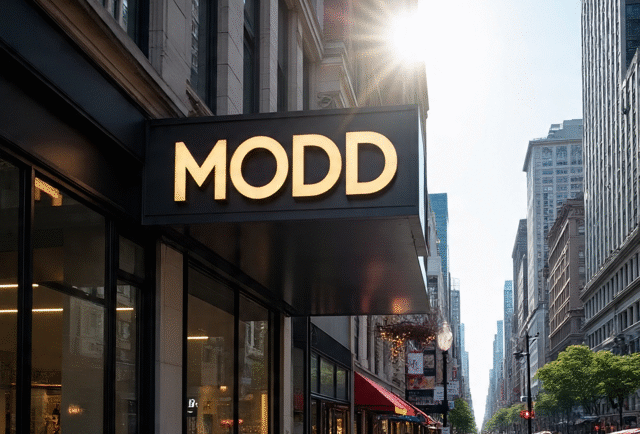
Modular Medical, Inc. (Nasdaq: MODD., $48.08, +8.07%), a leader in innovative insulin delivery technology targeting the $3 billion adult “almost-pumpers” diabetes market with user-friendly, affordable patch pumps, announced (Dec. 10) that it had priced an underwritten public offering (the “offering”) of 12,173,000 shares of its common stock and accompanying warrants to purchase 6,086,500 shares of its common stock. Each two shares of common stock are being offered and sold together with one accompanying warrant at a combined offering at a price of $0.77, yielding an effective price of $0.38 per share and $0.01 per warrant. The warrants will have an exercise price of $0.45 per share, are exercisable immediately upon issuance and will expire five years following the date of issuance. In connection with the offering, Modular Medical has granted the underwriter a 30-day option to purchase up to an additional 15% of common shares and/or warrants at the public offering price, less underwriting discounts and commissions. The over-allotment option may be elected with respect to, at the underwriter’s sole discretion, shares and warrants together, solely shares, solely warrants, or any combination thereof. Newbridge Securities Corporation is acting as the sole bookrunner for the offering. Assuming no exercise of the over-allotment option, the gross proceeds to the Company from the offering are expected to be approximately $4.68 million, before deducting underwriting discounts, commissions, and estimated offering expenses payable by the Company. The Company intends to use the net proceeds from the offering to fund operations and for working capital and general corporate purposes, including capital expenditures.
On Nov. 17, Modular announced Institutional Review Board (“IRB”) approval to conduct an in-house study of its next-generation Pivot™ insulin delivery system using insulin on people with diabetes (the “Study”). Pursuant to U.S. Food and Drug Administration (“FDA”) regulations, an IRB is a group that has been formally designated to review and monitor biomedical research involving human subjects. The Study will simulate real-world conditions by delivering insulin to adult participants to gather critical data on device function and usability and obtain user feedback. Modular Medical’s Pivot tubeless patch pump aims to enhance accessibility for underserved patients with diabetes and drive market penetration and expansion.
On Nov. 14, Modular Medical announced the 510(k) premarket submission of its next generation Pivot™ tubeless patch pump to the U.S. Food and Drug Administration (the “FDA”). The Company expects to commence the commercial launch of its Pivot pump in Q1 2026. On Nov. 3, Modular Medical the successful validation of its Pivot controller line, a critical milestone in preparing for the commercial launch of its Pivot patch pump targeted for Q1 2026. The Pivot controller line validation further demonstrates manufacturing readiness for high-volume production, positioning Modular Medical to meet the growing demand in the diabetes treatment market for advanced technology.
Eupraxia Pharmaceuticals Inc. (NASDAQ: EPRX, $8.59, +19.14%), a clinical-stage biotechnology company leveraging its proprietary Diffusphere™ technology to optimize local, controlled drug delivery for diseases with significant unmet need, announced (Nov. 13) the second set of 52-week follow up data from its ongoing Phase 1b/2a RESOLVE trial evaluating a single administration EP-104GI for the treatment of eosinophilic esophagitis (“EoE”). James A. Helliwell, Chief Executive Officer of Eupraxia stated,“These data further highlight the strong durability and tolerability profile of EP-104GI, reinforcing its potential to become a convenient, once-a-year treatment that fits seamlessly into routine disease management by aligning with annual patient endoscopies. The Cohorts 5 & 6 patients – the only groups to have reached 52 weeks in the trial – are demonstrating levels of symptom relief that is durable and clinically meaningful – we are very encouraged by this outcome. We’re also pleased that our previously announced 52-week data were presented as a late-breaking presentation at the American College of Gastroenterology Annual Scientific Meeting (ACG). These new results build on that momentum. Given that current EoE therapies often struggle with long-term adherence, we believe a durable, once-yearly treatment could meaningfully improve patient outcomes and establish EP-104GI as a preferred option for both physicians and their patients.”
GeoVax Labs, Inc. (Nasdaq: GOVX, $.1848), a clinical-stage biotechnology company developing multi-antigen vaccines and immunotherapies for infectious diseases and cancer.
GeoVax is heading into the 44th Annual J.P. Morgan Healthcare Conference week (“JPM2026”) in San Francisco, CA Jan. 12-15 with the kind of narrative biotech investors typically like to hear: a differentiated platform, large funded trials lining up, and multiple shots on goal in both infectious disease and oncology. The company is leaning into its MVA platform as a potential franchise engine rather than a one‑product science experiment. Specifically, investors can meet David Dodd, Chairman & CEO of GeoVax, during his presentation at the Hilton Union Square, 333 O’Farrell Street, Yosemite A (Ballroom Level), San Francisco, CA on January 13, 2026, 2:30 pm PST.
GeoVax announced (Dec. 19) that it has entered into definitive securities purchase agreements with several institutional and individual investors for the purchase and sale of approximately 13.2 million units, each comprised of one share of the Company’s common stock and warrants, as described below, to purchase shares of the Company’s common stock, at a price of $0.245 per unit in a public offering. The Company will issue warrants to purchase up to approximately 26.5 million shares of common stock. The warrants will have an exercise price of $0.245 per share, will be exercisable immediately following the date of issuance and will have a term of five years following the date of issuance. Roth Capital Partners is acting as the exclusive placement agent for the offering. The gross proceeds to the Company from this offering are expected to be approximately $3.2 million, before deducting the placement agent’s fees and other offering expenses payable by the Company. The Company intends to use the net proceeds from this offering for working capital and general corporate purposes. The closing of the offering is expected to occur on or about December 22, 2025, subject to the satisfaction of customary closing conditions.
GeoVax announced (Dec. 18) the publication of a peer-reviewed article in Frontiers in Immunology titled: “Multi-antigen MVA-vectored SARS-CoV-2 vaccine, GEO-CM04S1, induces cross-protective immune responses to ancestral and Omicron variants.” The study provides definitive preclinical evidence that GeoVax’s multi-antigen COVID-19 vaccine candidate, GEO-CM04S1, delivers full cross-variant protection, driven predominantly by robust T-cell responses, even in the absence of neutralizing antibodies. The findings reinforce the design philosophy behind GeoVax’s MVA-based, multi-antigen platform and provide mechanistic insight that is increasingly relevant for immunocompromised individuals, who often fail to respond optimally to the first-generation COVID-19 vaccines.
GeoVax announced (Dec. 17) the successful completion of fill-finish for the initial clinical batch of GEO-MVA, its next-generation Mpox/smallpox vaccine. The product has now entered final release evaluation, the concluding quality-control and compliance process required before shipment for clinical use, positioning the Company for Phase 3 immunobridging trial start-up activities in Q1 2026. Fill-finish – the sterile, cGMP-regulated process of filling, sealing, and packaging vaccine vials – marks the last manufacturing step before a vaccine may enter clinical study supply channels. With fill-finish complete and GEO-MVA now undergoing final release evaluation, GeoVax has moved into the final pre-clinical-deployment phase of its EMA-aligned clinical program. In June 2025, the European Medicines Agency (EMA) Scientific Advice confirmed that a single Phase 3 immunobridging study demonstrating immune comparability to the approved MVA vaccine, Imvanex(R), would be sufficient to evaluate GEO-MVA’s efficacy. This provides a clear, accelerated regulatory path to licensure. This milestone coincides with increasing Mpox activity globally – including expanding Clade I outbreaks in Africa and emerging cases in the United States – exposing vulnerabilities associated with global dependence on a sole foreign MVA vaccine supplier. GEO-MVA is designed to expand supply, diversify sources, and strengthen biodefense infrastructure.
Volato Group, Inc. (NYSE American: SOAR, $.70, +7.69%) and M2i Global, Inc. (MTWO, $.0648, +8.18%), a company specializing in the development and execution of a complete global value supply chain for critical minerals, recently announced key developments in its pending all-stock merger with M2i Global, Inc.. Volato has filed the Registration Statement on Form S-4 with the U.S. Securities and Exchange Commission (the “SEC”), following the SEC’s completion of its review of the initial confidential submission. With the reopening of federal agencies following the recent government shutdown, both companies now anticipate closing the merger in the first quarter of 2026, pending completion of SEC review and shareholder approval.
On Jan. 7, M2i Global, Inc. along with Volato Group, Inc. (“Volato”) (NYSE American: SOAR), a technology-driven company, announced a strategic collaboration agreement with Titanium X, marking a major step forward in advancing domestic refining capabilities and securing the critical materials supply chain essential to U.S. industry and national security.
Volato Group, Inc. today (Dec. 29) announced the appointment of Alan D. Gaines to its Board of Directors, effective immediately. Mr. Gaines will also serve as Chairman of the Audit Committee.
On Dec. 23, Volato Group, Inc. announced preliminary financial guidance for the fourth quarter and full year ending December 31, 2025, reflecting continued execution against its strategic and balance sheet objectives. For the fourth quarter of 2025, Volato expects to report revenue between $27 million and $28 million. For the full year 2025, the Company anticipates total revenue between $78 million and $79 million, with net income of $6 million to $8 million. These results reflect a year of meaningful progression aligning operational performance with Volato’s long-term growth initiatives and advancing its pending merger with M2i Global, Inc. (OTC: MTWO). During 2025, Volato also made substantial progress strengthening its balance sheet. As of September 30, 2025, the Company reduced total liabilities to $9.5 million, satisfying the debt reduction condition required under its pending merger agreement with M2i Global, Inc. (OTC: MTWO). Volato expects continued improvement in its capital structure as it advances toward a targeted first-quarter 2026 closing of the transaction. “Our 2025 results reflect a year of transformation and disciplined balance sheet execution,” said Mark Heinen, Chief Financial Officer of Volato. “We made significant progress reducing liabilities while sharpening our focus on scalable, technology-driven businesses that are designed to complement and strengthen the M2i Global platform over the long term.”
On Dec. 18, Volato Group, Inc. and M2i Global, Inc. announced that they applaud the recent December 11, 2025 announcement from the U.S. Department of State whereby Pax Silica, a U.S.-led strategic initiative to build a secure, prosperous, and innovation driven silicon supply chain—from critical minerals and energy inputs to advanced manufacturing, semiconductors, AI infrastructure, and logistics, was formed.
Volato Group, Inc. announced recently that it has set a preliminary date of February 26, 2026 and preliminary record date of January 17, 2026 for a special meeting of shareholders to vote on the proposed merger with M2i Global, Inc. (MTWO) and related matters. The preliminary meeting date and record date remain subject to applicable regulatory and exchange requirements, including the effectiveness of Volato’s Registration Statement on Form S-4 (File No. 333-292132) (the “Registration Statement”) filed with the U.S. Securities and Exchange Commission (“SEC”) and the mailing of definitive proxy materials to shareholders. The proposed merger creates a combined company built for scale. M2i Global brings a platform focused on critical minerals and national supply chain resilience, while Volato contributes proven aviation technology, software capability, and an established track record of operational execution. Together, the companies aim to participate in a U.S. critical minerals market estimated at more than $320 billion annually.
Serina Therapeutics (NYSE American: SER, $2.62, +8.26%), Alabama-based biotech is betting its proprietary POZ platform and reimagined approach to apomorphine delivery may redefine the treatment paradigm for patients who have exhausted standard oral therapies. On Dec. 11, Serina announced the appointment of Joshua Thomas, Ph.D., as Vice President and Head of Chemistry. He will oversee internal and external chemistry efforts to optimize POZ-based candidates, supporting efficient translation from discovery through development.
On Dec. 10, Serina announced that it has submitted a complete response to the U.S. Food and Drug Administration’s (“FDA”) clinical hold letter for SER-252, the Company’s lead program for advanced Parkinson’s disease. As previously disclosed, the FDA placed the Company’s Investigational New Drug (“IND”) application for SER-252 on clinical hold pending additional information related to a commonly used formulation excipient. On November 25, 2025, the FDA issued a formal full clinical hold letter specifying the information required to permit initiation of the planned Phase 1b registrational study, SER-252-1b. The issues identified by the FDA do not relate to the apomorphine active drug substance, its mechanism of action, the use of the enFuse device (Enable Injections) or the broader 505(b)(2) NDA development pathway previously discussed with the Agency.
The InterGroup Corporation (NASDAQ: INTG, $28.98, +28.98%) reported (Nov. 17) results for the three months ended September 30, 2025. John V. Winfield, Chairman and Chief Executive Officer, said: “We continue to observe signs of stabilization and recovery across the San Francisco hospitality market, including improving convention calendars, tourism indicators, and business travel activity. On the investment side, our marketable securities activity remained modest with a small net gain, consistent with our emphasis on liquidity and risk discipline.”
DoubleVerify Holdings Inc. (DV) closed at $10.92. DoubleVerify, which built its franchise on media verification and ad performance analytics, is now the first badged TikTok Marketing Partner focused specifically on attention measurement, tapping impression-level signals from the platform. Brands gain a granular view of how exposure and user interaction come together across TikTok formats, ad sets, creatives, and objectives, effectively treating every swipe as a tiny A/B test.