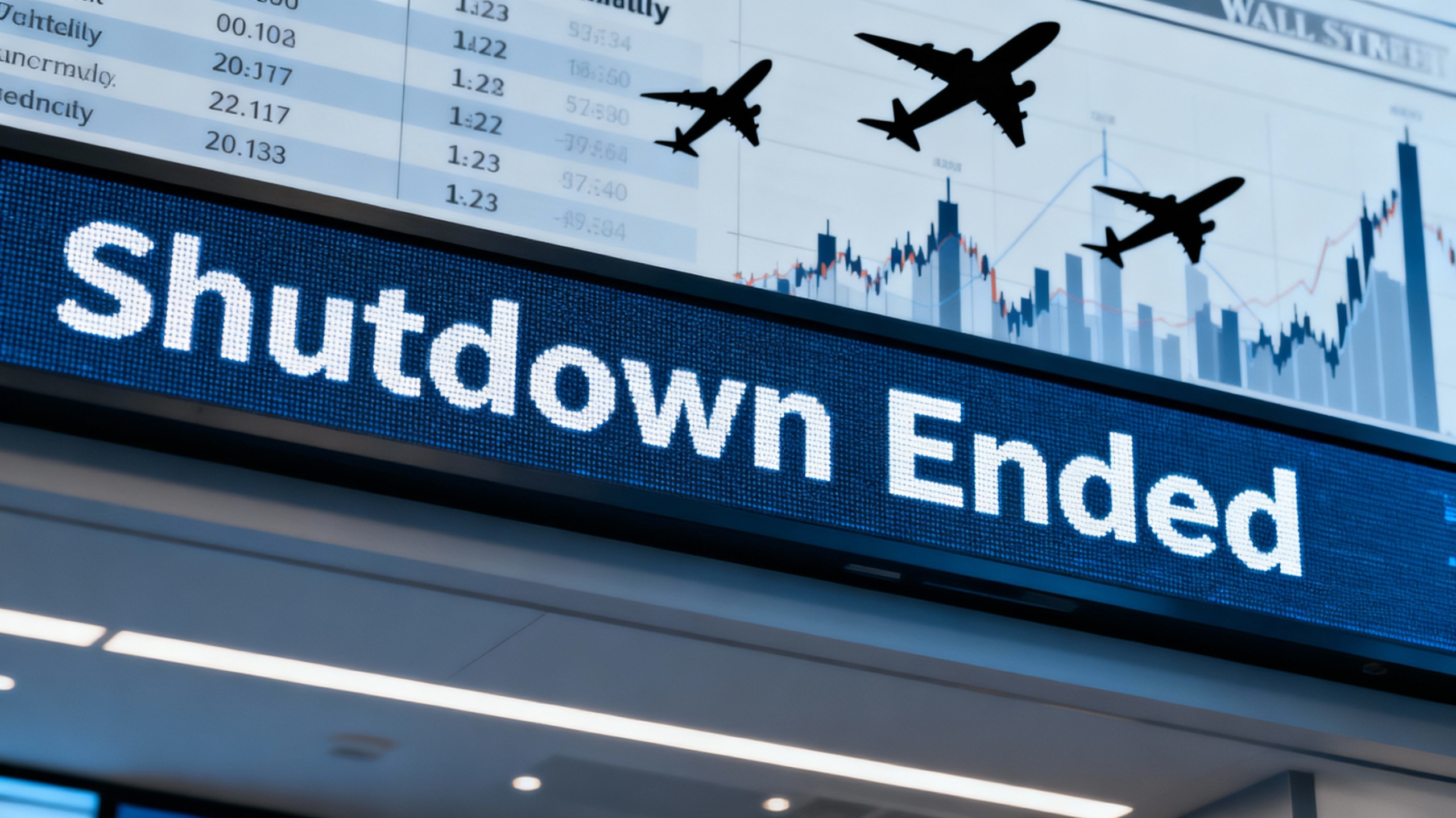
A brisk wind swept through the newsroom, carrying whispers of relief, risk, and the soft clack of keyboards. Screens flashed tickers as traders recalibrated after the shutdown’s end, a concrete event that shifted sentiment more decisively than a surprise rate cut. The narrative now orbits around effects: the immediate quiet on timing risk, the longer arc of policy execution, and the recalibration across sectors that depend on steady budgets.
The End of the Pause, The Start of the Pulse
Congress and the White House wrapped a short-term funding agreement around a longer-term budget framework, ending the shutdown and erasing the most acute near-term default scare. But endings in Washington rarely come with a clean slate. The real effects show up in project timelines reset, grant approvals resumed, and a disciplined push to reallocate funds toward previously stalled goals. Markets breathed a measured sigh, recognizing both relief and the work ahead to translate resolved headlines into resolved outcomes.
Sector Ripples: Airlines to Tech
Airlines pivoted from crisis mode to capacity planning, reworking load factors, fare curves, and staffing forecasts. The immediate disruption premium began unwinding as schedules stabilized and visibility returned to demand. In tech and defense, contractors and suppliers recalibrated pipelines, accounting for re-baselined budgets and new procurement rhythms. The banking and financial-services ecosystem absorbed the repricing of risk and the return-to-workflow in government-tied portfolios, adjusting liquidity forecasts and capital allocation plans accordingly.
The Policy Afterglow
With the crisis officially closed, agencies launched execution sprints: finalizing appropriations, syncing project timelines, and tightening crisis-response playbooks. The immediate market reaction cooled into a more durable, data-driven rhythm. Investors watched for evidence that the end-of-shutdown momentum translates into faster project execution, improved cash flows, and clearer forward guidance across sectors.
Editorial Tempo
The desk kept a brisk, precise tempo, translating policy cadence into actionable insight. The relief from resolution blended with a sober focus on implementation risk: will the budget framework unlock productivity, or will oversight and bureaucratic friction reintroduce headwinds? The narrative shifted from drama to delivery, from headlines to outcomes.
The Market-Choreography Throughline
Ending the shutdown altered the tempo, not the tune. The first-order effect was relief and clarity; the second-order effects depend on how quickly agencies convert appropriations into tangible results. Investors examined sector-specific catalysts: infrastructure funding ramps, defense modernization plans, healthcare and science funding, and the cadence of permit and grant approvals.
The Takeaway
The shutdown’s end marks a milestone, not a verdict on future fiscal discipline. Markets rewarded clarity but remain vigilant about execution risk, reform momentum, and the speed with which policy becomes practice.